


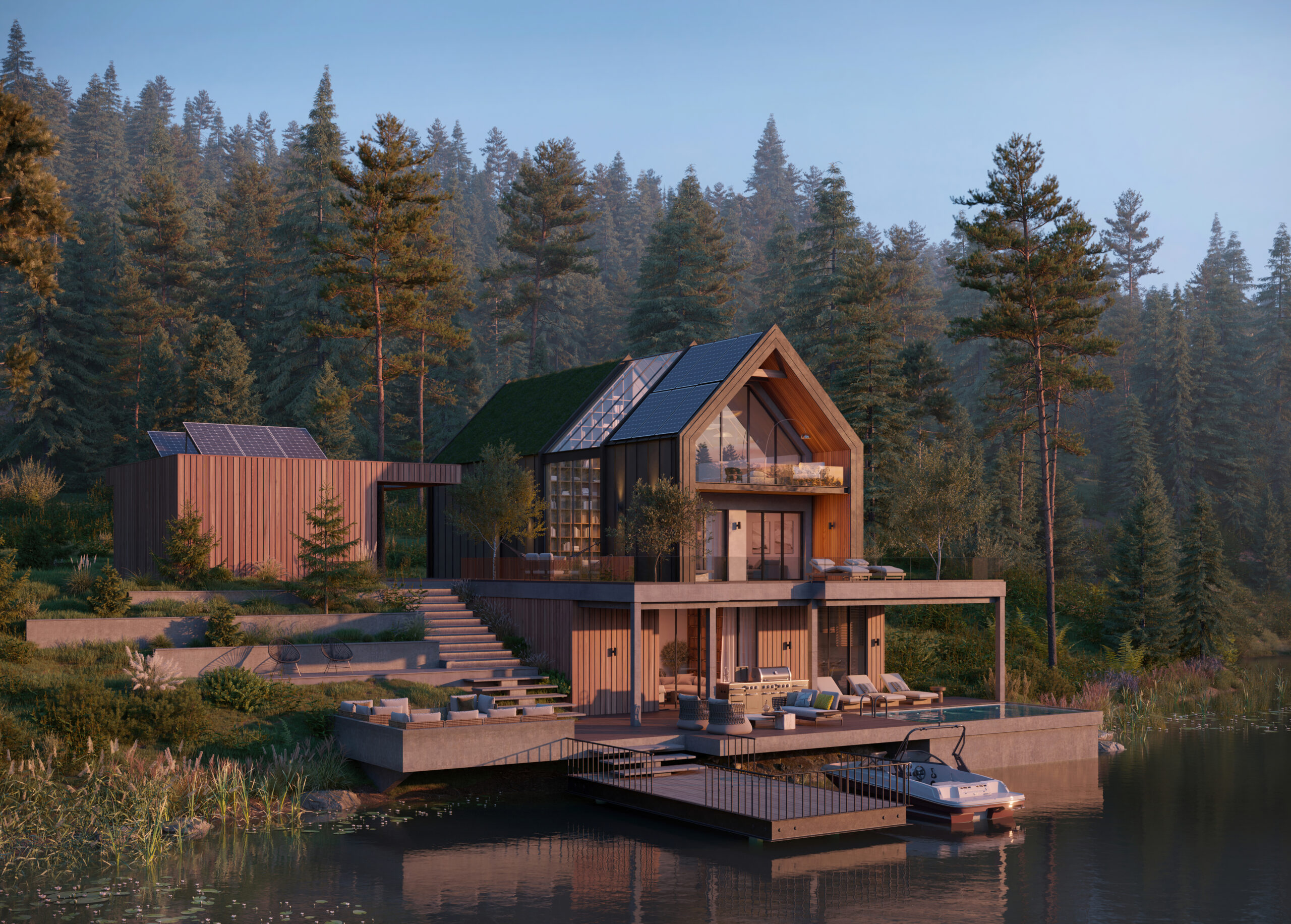
Since regenerative food, water, and energy systems are still relatively new to many audiences, pricing is often part of the initial conversation. As with many technologies moving into broader use, awareness of their value often lags behind the tangible benefits they deliver.
The most important question therefore is not “Why does this cost more now?” but “What value does this system deliver over time?” Like a well-built home, regenerative systems are priced for performance across decades, not seasons. They are designed to generate compounding returns rather than depreciate.
Regenerative Systems Are Not Simple Replacements
One reason regenerative solutions cost more upfront is they are not cheap, one-to-one substitutes for conventional systems. They are integrated, adaptive systems that require careful design, planning, and implementation.
Because mass adoption is still rising, people may be inclined to compare regenerative systems to solutions they already understand: Crops that use synthetic fertilizers and pesticides, centralized water delivery and treatment systems, and fossil-fuel–based energy infrastructure.
That comparison is misleading. It’s like comparing a legacy estate to a house built to minimum code. The price difference reflects not just materials, but the long-term value embedded in the system-level design.
Highly Technical by Design
Regenerative systems are deeply technical. They combine engineering, biology, data analysis, and systems thinking into a single operating framework. Whether applied to land, food, water, energy, or infrastructure, they rely on precise interactions between components rather than brute-force inputs.
This technical complexity requires skilled labor, specialized knowledge, and extensive planning. Site assessments, modeling, monitoring tools, and adaptive management protocols all add cost—but they also add performance. These systems are designed to work with natural processes, not against them, which demands a higher level of expertise than simply applying standardized solutions.
As with any advanced technology, early-stage adoption comes with higher prices. Solar panels, electric vehicles, and high-efficiency HVAC systems all followed this same curve. Early versions cost more, not because they were inefficient, but because they were new, specialized, and not yet produced at scale.
Materials and Inputs Chosen for Longevity

Like high-quality construction, regenerative systems prioritize materials and components chosen for longevity, not lowest cost. This may include durable infrastructure, living biological inputs, or technologies designed to integrate rather than operate in isolation.
Conventional systems often externalize costs. They rely on repeated inputs, frequent repairs, or environmental buffering provided for free—until it fails. Regenerative systems internalize those costs upfront. They are built to stabilize, regenerate, and improve with time, rather than degrade.
The result is fewer interventions, lower replacement rates, and reduced dependency on volatile input markets. These savings are not always immediate, but they are substantial and cumulative.
Designing for Risk Reduction
One of the most underappreciated values of regenerative systems is risk reduction. Conventional systems are typically optimized for ideal conditions. When conditions change—weather extremes, resource scarcity, regulatory shifts—they struggle.
Regenerative systems are designed for variability. They incorporate redundancy, diversity, and feedback loops that allow them to adapt rather than fail. This makes them inherently more resilient.
In financial terms, reduced risk is a form of return. A system that avoids catastrophic failure, production collapse, or escalating maintenance costs delivers value even if its outputs appear similar on paper. Yet because risk avoidance is invisible when things go well, it’s rarely priced into decision-making.
Operating Costs Reveal the Full Picture
Upfront cost is only one part of the equation. Over time, regenerative systems typically reduce operating expenses by lowering dependence on external inputs such as fuel, chemicals, replacement parts, or emergency labor.
As conventional input costs continue to rise, these savings become more pronounced. In many cases, regenerative systems reach a break-even point faster than expected, especially when avoided failures and reduced volatility are accounted for.
This is similar to investing in a high-efficiency home. Monthly savings may appear modest, but over decades, they far exceed the initial price difference.
Low Familiarity Masks High Value

Another driver of price resistance is low familiarity. Most people have decades of experience with conventional food, water, and energy systems. They know how much groceries and utilities cost in the day-to-day. Regenerative systems, by contrast, often operate differently enough that their benefits aren’t immediately obvious.
Value that isn’t widely understood is often undervalued. Regenerative systems generate returns in ways people aren’t trained to measure: Enhanced health and well-being for humans and ecosystems, self-sufficient supplies of essential resources, resilience to instability such as climate and supply chain shocks, and long-term value generation. Because these benefits don’t show up as instant outputs, they’re frequently discounted in purchasing decisions.
This mirrors what happens in real estate when buyers overlook high-performance insulation or advanced drainage systems. Until something goes wrong—or doesn’t—they underestimate its worth.
Why Prices Will Change Over Time
As adoption increases, prices for regenerative technologies are likely to change. Greater familiarity, standardized components, and economies of scale will reduce some costs. At the same time, the value of resilience and regeneration is becoming clearer as conventional systems face increasing strain.
Early adopters are not paying a premium for hype—they are investing in systems ahead of widespread understanding. Historically, this is how transformative technologies enter the market.
A Different Way to Measure Cost
To understand the price of regenerative systems, it helps to think the way experienced real estate agents do when describing a luxury home. They don’t focus on square footage alone. They explain the materials and craftsmanship that make the home more beautiful, comfortable, efficient, and durable—choices that also protect the home’s value over time.
Regenerative systems command the same lens.
Learn more about why regenerative estates are a future-ready asset class, and view a tangible example of the financial value they provide over time in our whitepaper.