

The next generation of greenhouses will not be defined solely by food production. They will also prioritize self-sufficiency, resilience, and experiential spaces that blend health and nature.
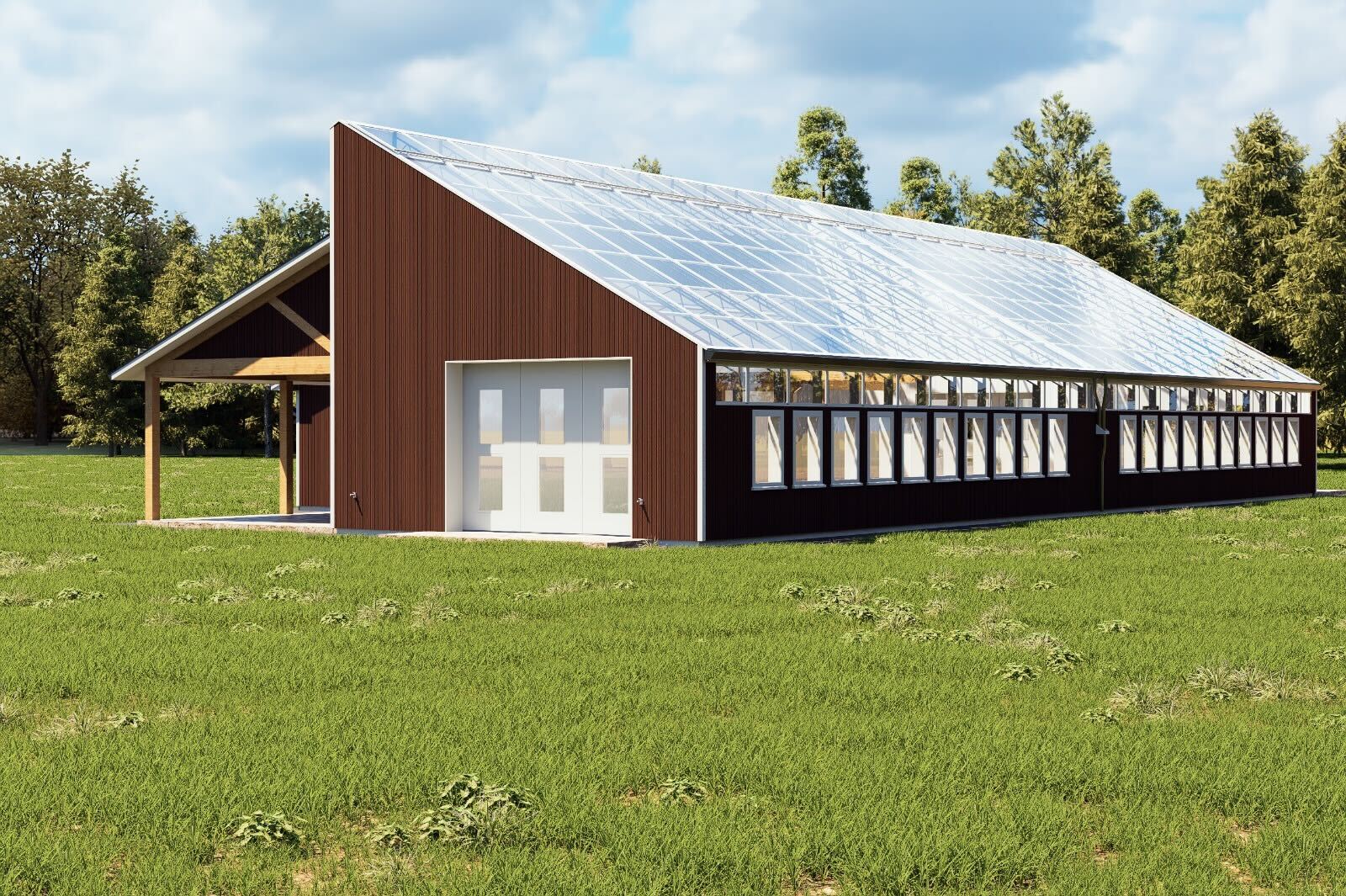
At the forefront of this evolution is a new greenhouse concept developed by 5th World in partnership with Innotech Windows & Doors. It combines a high-performance growing system—using passive solar energy, climate battery thermal storage, and advanced glazing—with fully integrated lifestyle spaces. The result is a structure that brings together food production, wellness, and recreation within a single architectural asset.
This shift is increasingly aligned with national policy priorities. On 26 January, the Government of Canada announced the immediate expensing of greenhouse buildings, allowing producers to fully write off greenhouses acquired on or after 4 November, 2025, and that become available for use before 2030. The policy signals that greenhouses are becoming critical infrastructure for Canada’s food sovereignty and security, climate resilience, and year-round domestic production.
A New Category of Estate Infrastructure
Global uncertainty—ranging from inflation and climate volatility to food security and health concerns—is reshaping how people think about their properties. Increasingly, estates are expected to do more than offer comfort and prestige. They are being designed to provide self-sufficient food, water and energy, resilience to instability, human and ecological well-being, as well as long-term value preservation.
This greenhouse concept answers that demand. It transforms a traditionally single-purpose structure into a multifunctional ecosystem that not only supports year-round food production, but also wellness through nutritious produce, immersive natural environments, and amenities such as fitness rooms and thermal circuits. What’s more, it does all this while dramatically reducing energy consumption.
Rather than relying on energy-intensive systems, the design returns to first principles seen throughout history: Harnessing solar gain, leveraging thermal mass, and working in harmony with the earth’s natural temperature stability. The result is a greenhouse that operates with extraordinary efficiency while delivering exceptional comfort. Learn more in 5th World’s Passive Solar Greenhouse Whitepaper.
The Architecture of Performance
At its core, the system is built around five key elements: Aperture, collector, thermal mass, distribution, and control. Together, these components govern how energy is captured, stored, and redistributed.
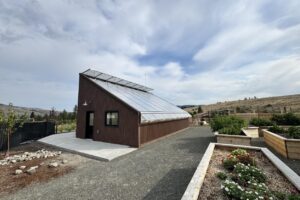
The structure’s glazing is precisely oriented to maximize solar gain. In northern climates, the south-facing façade acts as the primary solar aperture, while the remaining walls are heavily insulated to minimize heat loss. This configuration maximizes solar gain while dramatically reducing thermal leakage.
Advanced glazing systems from Innotech play a critical role. These high-performance windows are engineered with multi-layer construction, optimized solar heat gain coefficients, and superior airtightness and insulation properties. The result is a controlled interior environment that supports both plant growth and human comfort, even in extreme climates.
Inside, low-reflectivity surfaces absorb sunlight and convert it into heat. This energy is then transferred into the system’s defining innovation: The climate battery.
The Climate Battery: A Subterranean Engine
The climate battery is a thermal energy storage system embedded beneath the greenhouse. During the day, warm air is drawn into underground piping, where heat is transferred into the surrounding soil. At night or during colder periods, that stored heat is released back into the structure.
This continuous exchange effectively turns the earth into a natural thermal reservoir, stabilizing temperatures across daily and seasonal cycles. The impact is profound: Simulations conducted using TRNSYS thermodynamic modeling software show that 5th World’s passive solar greenhouses with climate battery technology require approximately 1–2% of the energy used by conventional greenhouses.
Beyond temperature regulation, the underground infrastructure can support specialized storage environments for wine, cheese, and preserved produce. Each chamber can be tuned for precise humidity and temperature conditions, creating a seamless connection between cultivation, harvesting, storage, and consumption.
A Fully Integrated Lifestyle Environment
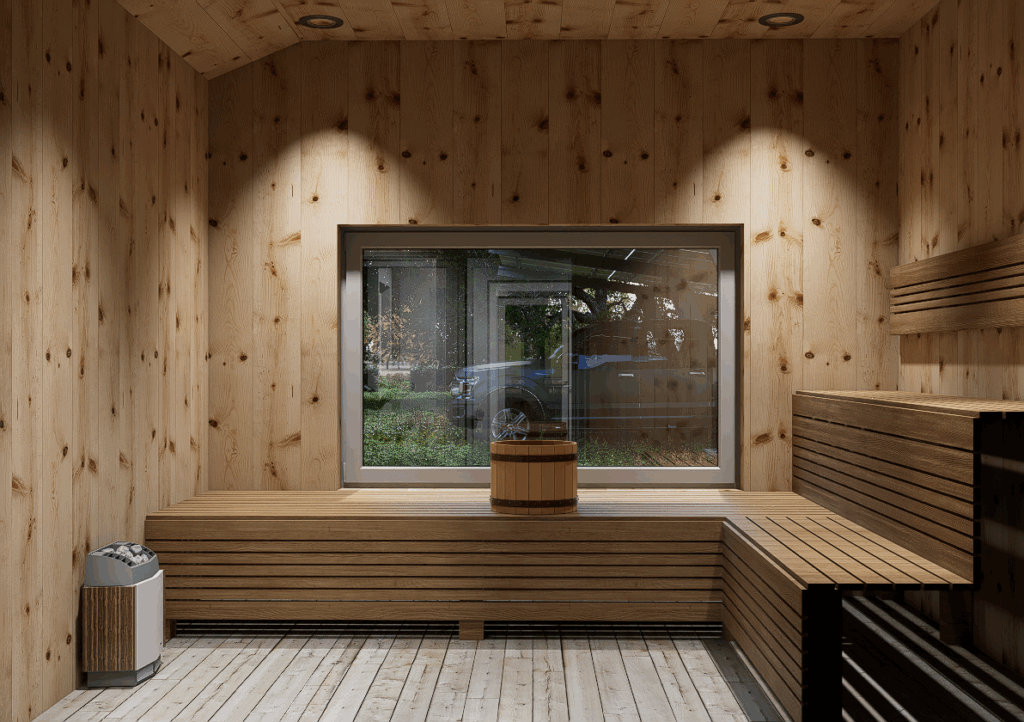
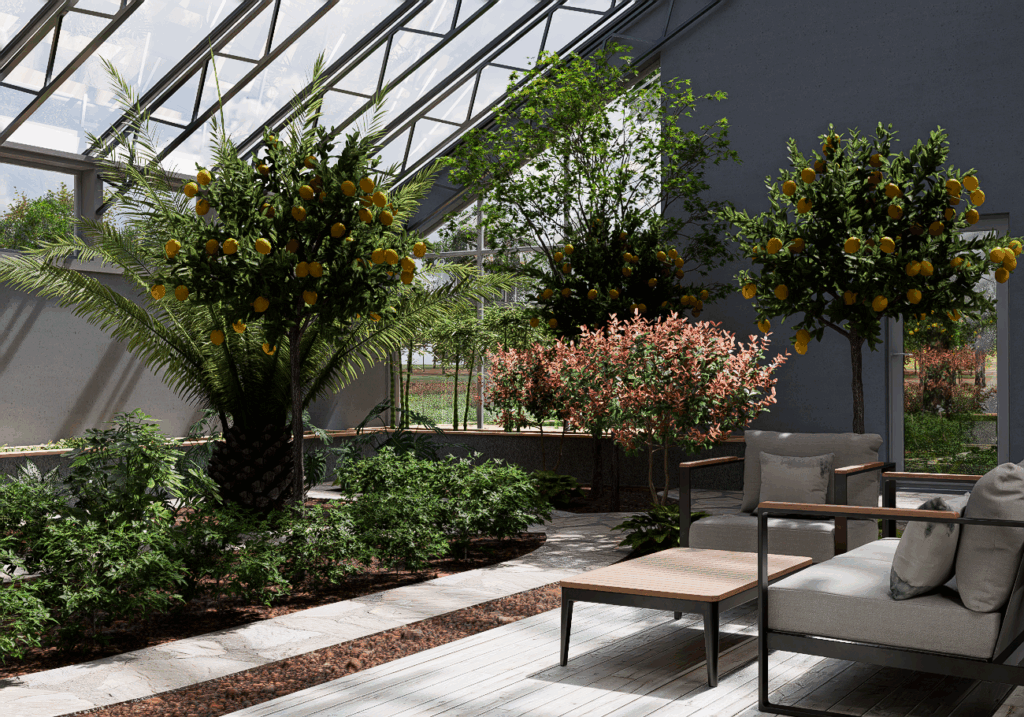
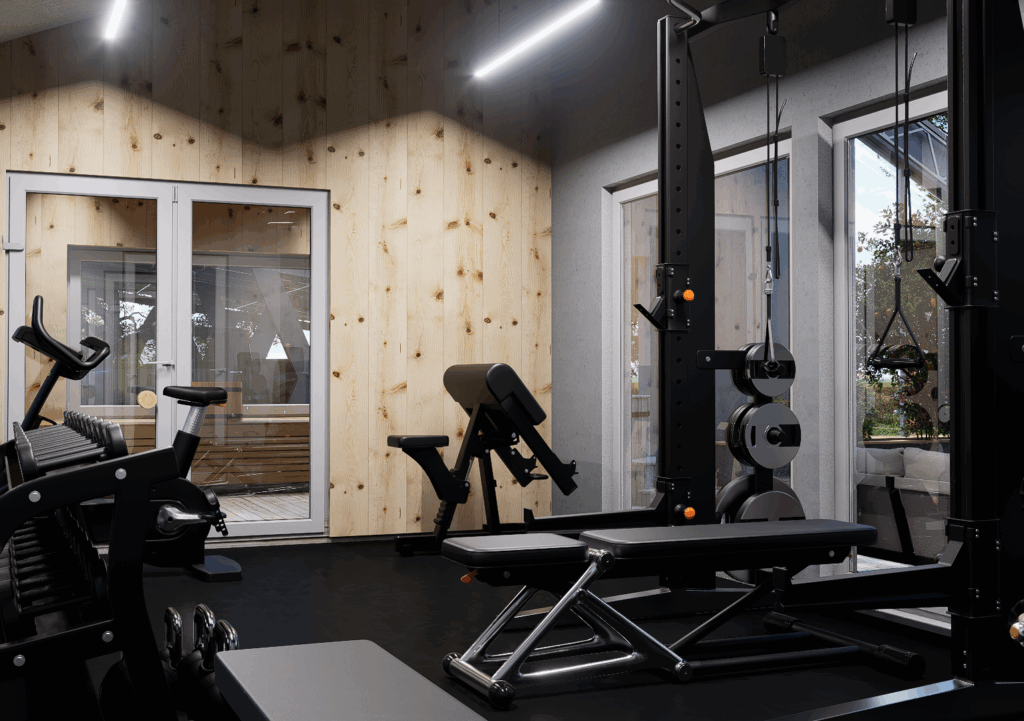
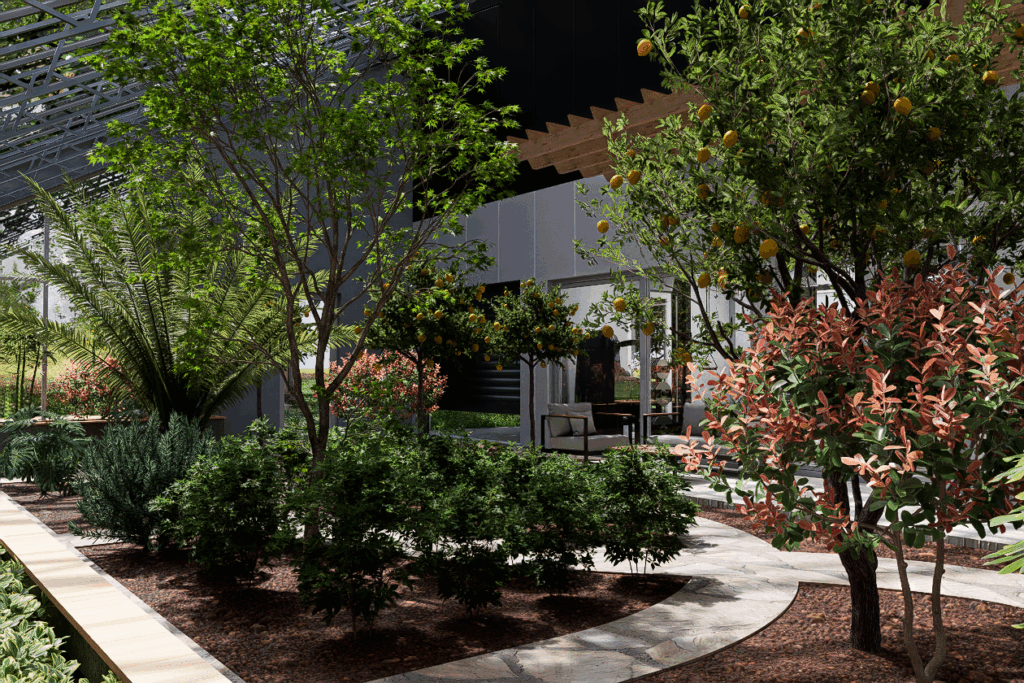
What distinguishes this greenhouse from any predecessor is its ability to function as a complete lifestyle space. Within a single structure, homeowners can integrate:
- Tropical orchards and year-round culinary gardens
- Private dining areas and chef-grade kitchens
- Wine and cheese cellars embedded within the earth
- Fitness studios, spin rooms, and golf simulators
- Yoga, meditation, and recovery spaces
- Saunas, cold plunges, and hydrotherapy circuits
- Elegant lounges for entertaining guests
The experience is immersive. In the depths of winter, the greenhouse can maintain a lush, tropical environment—offering a sensory contrast to the external climate.
Energy Efficiency and Operational Excellence
Performance modeling using advanced thermodynamic simulation tools demonstrates the system’s exceptional efficiency. Compared to traditional greenhouses, which rely heavily on fossil fuel heating, this passive solar design reduces energy consumption by up to 98–99%.
For estate owners, this translates into significantly lower operating costs and reduced exposure to energy price volatility. Maintenance is streamlined, focusing primarily on system monitoring, irrigation, and occasional mechanical servicing. The reliance on external energy inputs is minimal, even in harsh winter conditions.
Modular Design for Evolving Estates
Flexibility is another defining feature. The greenhouse is conceived as a modular platform that can evolve alongside the estate. Initial installations can begin as focused growing environments and expand over time to incorporate additional lifestyle or entertainment features.
This adaptability ensures that the structure remains relevant across generations. Whether enhancing private living or hosting curated experiences, the greenhouse can be tailored to reflect the owner’s vision.
A Generational Asset
Beyond its technical capabilities, the greenhouse represents a new category of estate asset.
It is, first and foremost, an architectural statement. Its presence elevates the estate, serving as both a visual centerpiece and a functional ecosystem. At the same time, it supports a level of self-sufficiency that is increasingly rare: Fresh, nutrient-dense food produced on-site, independent of external supply chains.
Equally important is its contribution to wellness. By integrating natural environments with fitness, relaxation, and nutrition, the greenhouse creates a holistic living experience that aligns with modern priorities around health and longevity.
Finally, it offers enduring relevance. As climate conditions shift and resource constraints intensify, infrastructure that enhances resilience will only grow in importance. This greenhouse is designed not just for today’s lifestyle, but for decades of future use.
Pilot Installation: Modern Estate, Canada
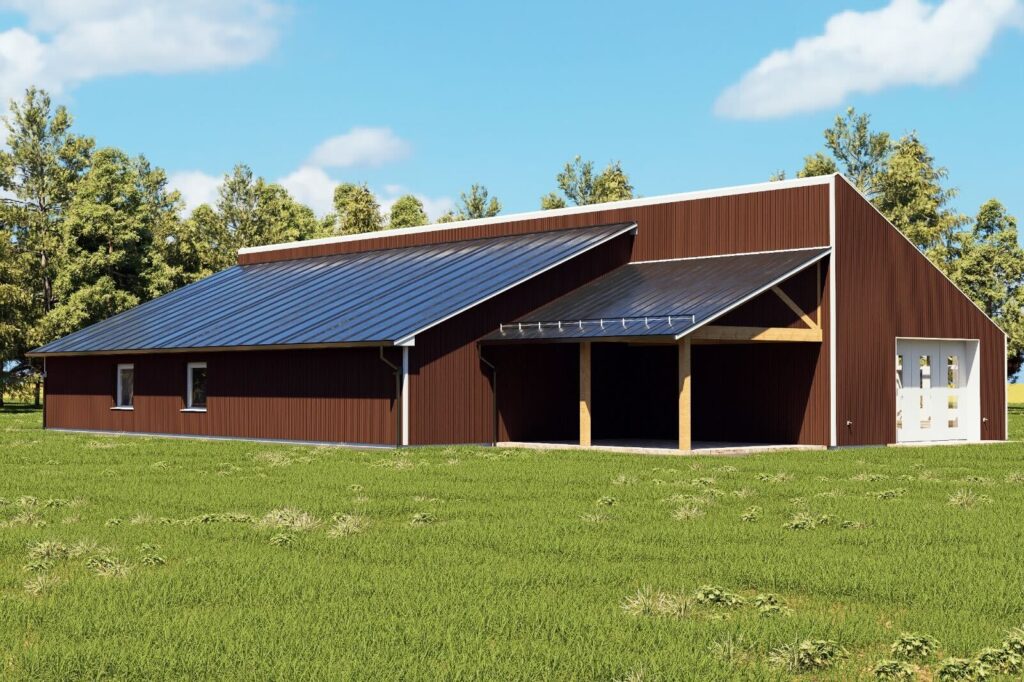
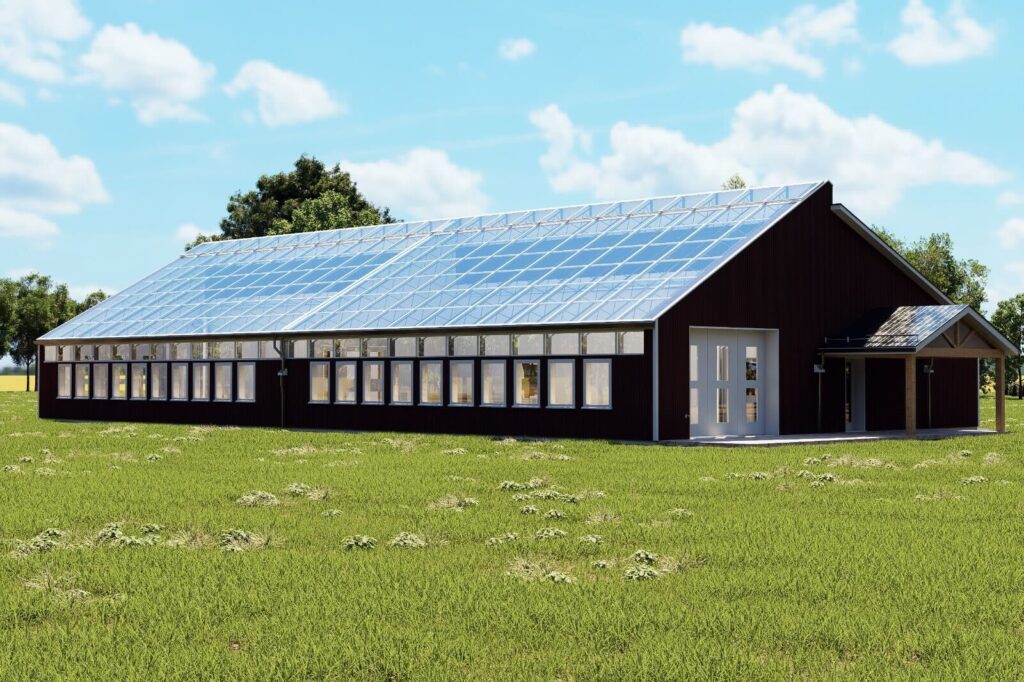
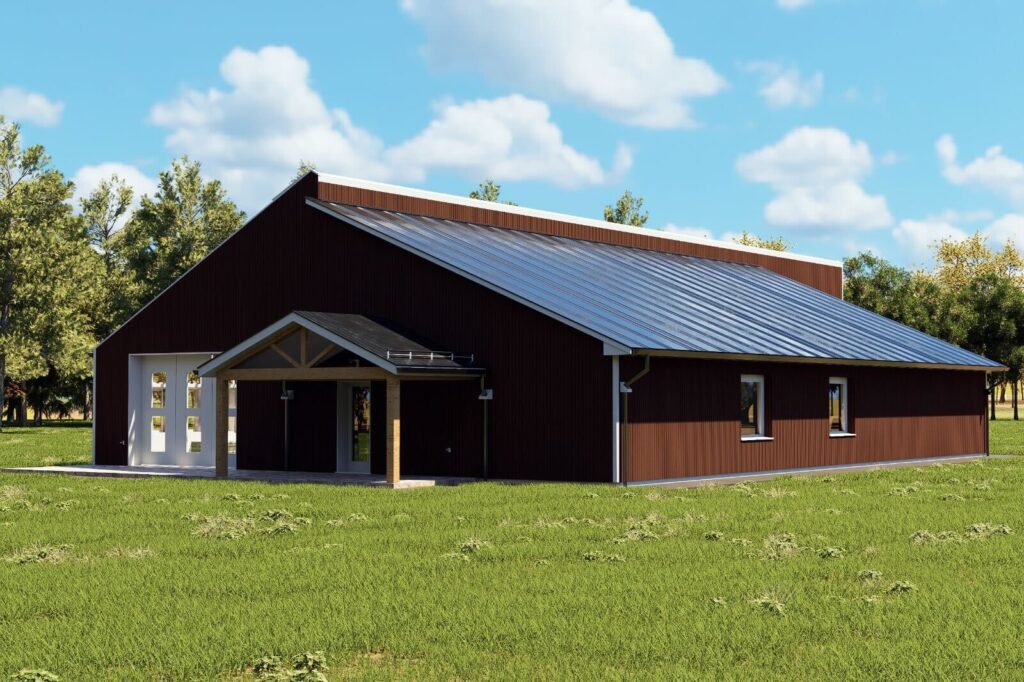
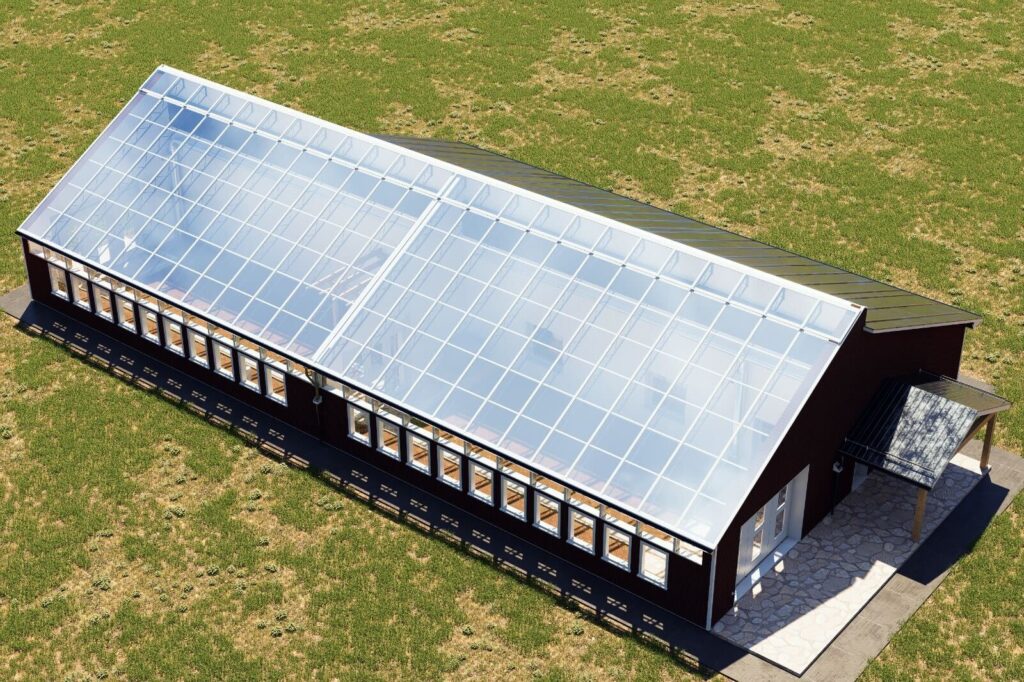
Highlights from the Installation:
- Tropical plants with year-round climate control
- Wellness and fitness modules including golf simulator and spin studio
- Modular design allows for future expansion with culinary or entertainment features
- Energy usage reduced by more than 90% compared to conventional greenhouses
- Serves as both a private sanctuary and a venue for exclusive experiences
This example illustrates how the passive solar greenhouse merges luxury recreation, cutting-edge engineering, and legacy value into a single, multifunctional estate asset.
Redefining Estate Living
The most advanced greenhouse in the world is not simply a technological achievement—it is a redefinition of what estate living can be. It merges engineering precision with natural systems, creating a space where sustainability and luxury are not in conflict, but in harmony.
For homeowners, it offers something rare: A structure that simultaneously enhances lifestyle, reduces environmental impact, and builds long-term value. It is a place to grow food, restore the body, entertain guests, and reconnect with nature—all within the boundaries of a private estate.
In this sense, the greenhouse is more than an addition to a property. It is a living system—one that transforms how space is used, how resources are managed, and how life is experienced at the highest level.