

Across Canada—from British Columbia to Newfoundland—landowners, developers, and investors are facing a critical challenge: Conventional agriculture models are degrading soil, wasting water, and limiting long-term land value.
At the same time, a massive opportunity is emerging.
Regenerative agriculture—also known as regenerative farming and, broadly, eco farming—is not just an environmental trend. It is a high-performance design system that increases land productivity, resilience, and profitability over time.
At 5th World, we specialize in designing and implementing regenerative food, water, and energy systems on properties—turning land into a living asset.
In this guide, you’ll learn:
- What regenerative agriculture actually means (beyond the buzzword)
- How regenerative farming systems are designed
- Why eco farming is outperforming conventional models
- How to implement regenerative design on your property
- What results you can expect (financial and ecological)
What Is Regenerative Agriculture?
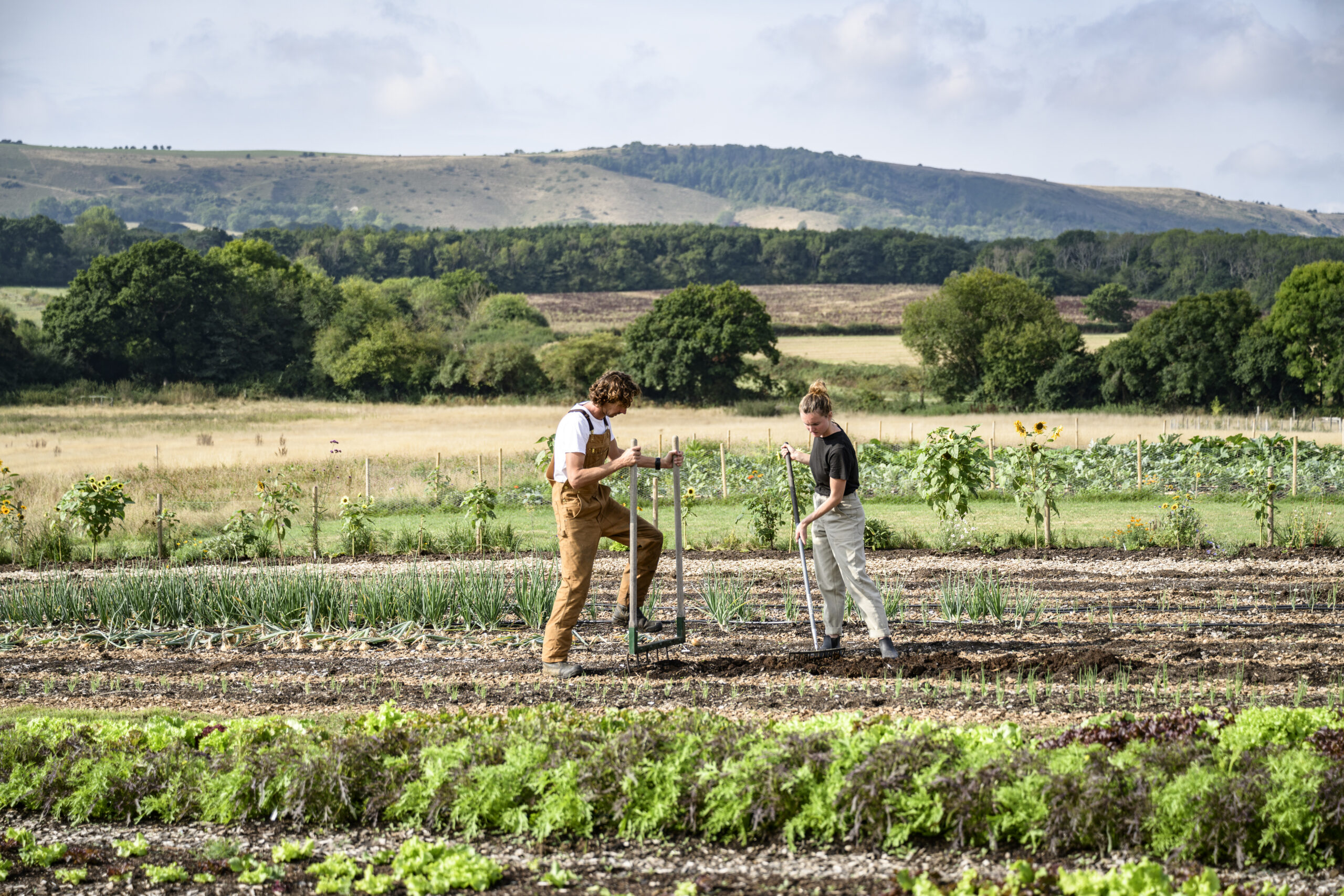
Regenerative agriculture is a systems-based approach to land management that restores soil health, enhances biodiversity, and improves water cycles while generating economic returns.
Unlike conventional agriculture—which extracts value—regenerative systems are designed to build value over time.
Core Principles of Regenerative Agriculture
At 5th World, we go beyond surface-level sustainability. Our approach integrates:
- Soil regeneration: Increasing organic matter and microbial life
- Water system design: Slowing, spreading, and sinking water
- Biodiversity stacking: Layering crops, animals, and ecosystems
- Closed-loop systems: Minimizing external inputs
- Long-term land value creation
This is not just farming—it’s ecological infrastructure design.
Regenerative Farming vs. Conventional Farming
Conventional Farming Model:
- Heavy chemical inputs
- Soil degradation over time
- High dependency on external supply chains
- Short-term yield focus
Regenerative Farming Model:
- Builds soil fertility naturally
- Reduces input costs over time
- Creates multiple revenue streams
- Increases land value and resilience
Key Insight: Regenerative farming shifts land from a depreciating asset to an appreciating ecological system.
What Is Eco Farming?
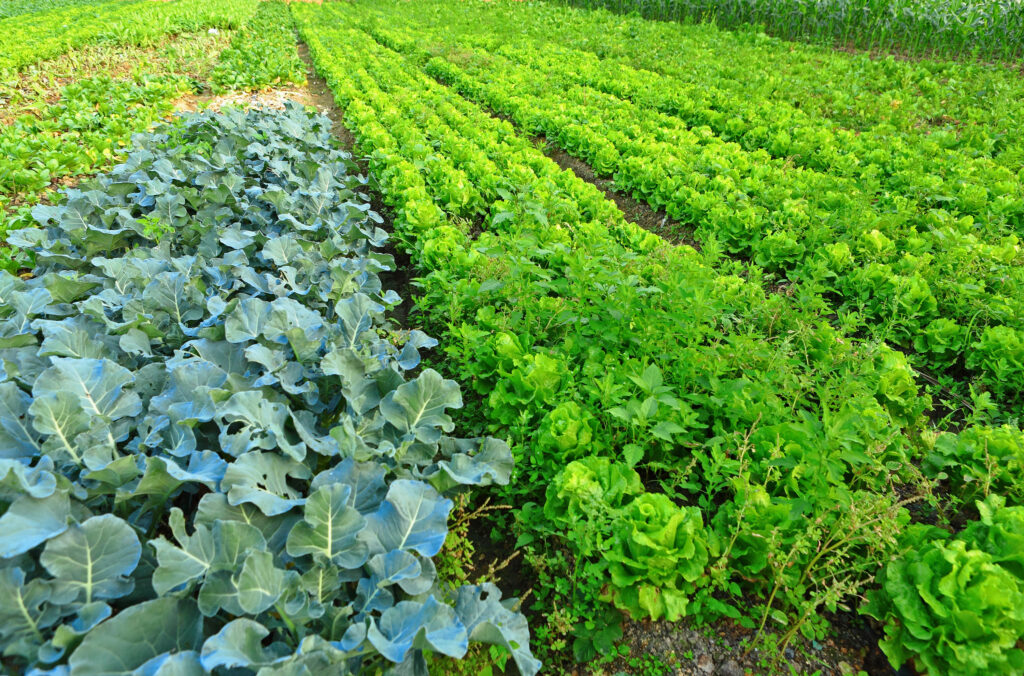
Eco farming is often used as a broader term that includes organic, sustainable, and regenerative practices.
However, most eco farming approaches:
- Focus on reducing harm
- Maintain current systems with fewer inputs
Regenerative agriculture goes further.
It actively improves ecosystems while producing food, fiber, and economic value.
At 5th World, we integrate eco farming into a larger regenerative design framework—where every element of the land serves multiple functions.
How Regenerative Agriculture Is Designed (Our Process)
Most firms stop at recommendations. We design complete regenerative systems.
1. Site Analysis and Mapping
We begin with a deep analysis of your land:
- Topography and contour mapping
- Soil composition and health
- Water flow patterns
- Climate and microclimates
Evaluate your land with our FREE Contour Map Generator here.
2. Water Systems Design
Water is the foundation of all regenerative systems.
We design:
- Swales and contour systems
- Retention ponds and reservoirs
- Natural irrigation flows
Result: Increased drought resilience and reduced irrigation costs.
3. Soil Regeneration Strategy
Healthy soil equals long-term productivity.
We implement:
- Cover cropping systems
- Compost integration
- Managed grazing (where applicable)
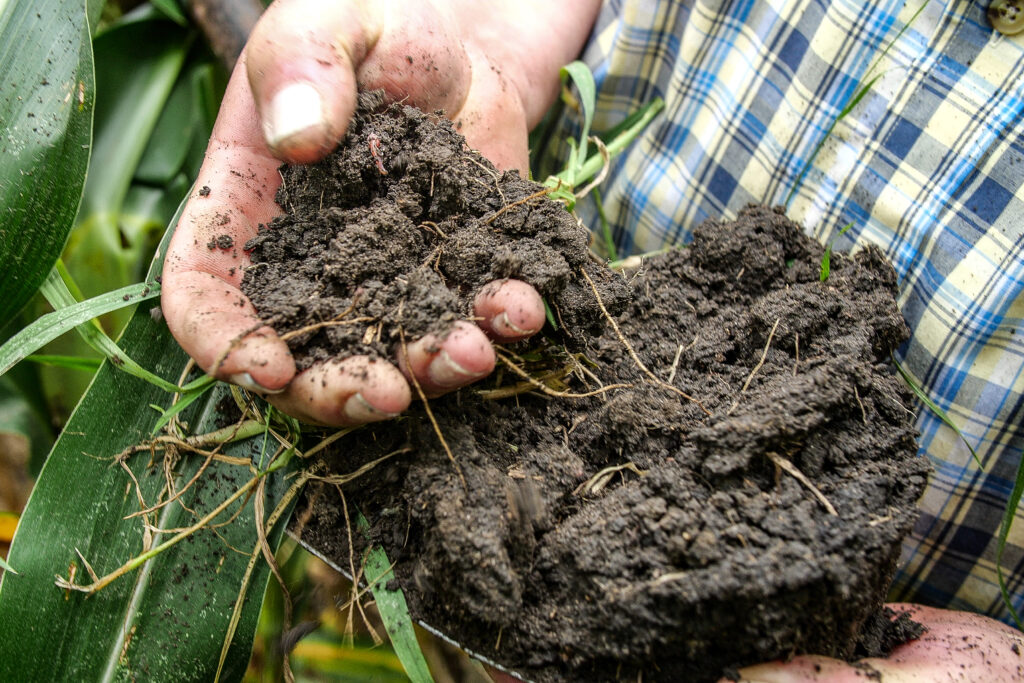
Real impact: Soil organic matter can increase significantly within years, dramatically improving yields.
4. Integrated Plant and Crop Systems
We design multi-layered ecosystems, not monocultures:
- Agroforestry systems
- Perennial crop integration
- Food forests
- Polyculture farming
Outcome: More resilient production and diversified income streams.
5. Infrastructure and Economic Design
This is where most regenerative projects fail—they ignore economics.
We design for:
- Market access
- Scalable production
- Revenue stacking (multiple outputs from the same land)
Example revenue streams:
- Specialty crops
- Agritourism
- Carbon credits
- Value-added products
Regenerative Agriculture in Canada: A Growing Opportunity
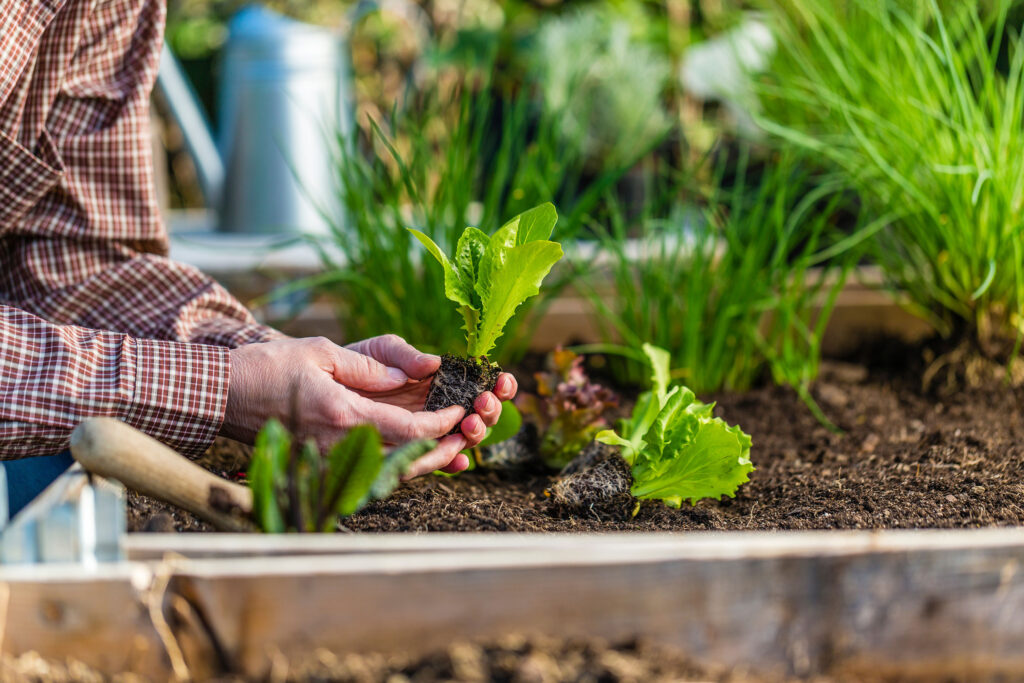
Interest in regenerative farming is rapidly increasing across Canada.
High-Opportunity Regions:
- British Columbia: Ideal for diversified eco farming and agroforestry
- Ontario: Strong local food markets and regenerative transition potential
- Quebec: Growing demand for sustainable and local agricultural systems
These regions are primed for regenerative land transformation—and early adopters will have a major advantage.
Why Regenerative Farming Outperforms Long-Term
1. Lower Input Costs
Fertilizers, pesticides, and irrigation costs decrease over time.
2. Increased Yield Stability
Healthier ecosystems are more resilient to climate variability.
3. Higher Market Value
Consumers and investors are actively seeking regenerative products and land.
4. Land Appreciation
Regenerative systems increase:
- Soil fertility
- Water retention
- Biodiversity
These directly translate into higher land value.
Common Mistakes in Regenerative Projects
Most projects fail because they:
- Treat regenerative agriculture as a trend
- Focus only on farming (not systems design)
- Ignore water systems
- Lack economic planning
At 5th World, we take a holistic, systems-first approach—ensuring your land performs ecologically and financially.
Our Philosophy: Beyond Sustainability

“Sustainability” is no longer enough.
We believe land should:
- Regenerate ecosystems
- Generate income
- Increase in value over time
This requires integrated design thinking, not isolated interventions.
Who We Work With
We design regenerative systems for:
- Landowners and estate holders
- Real estate developers
- Farmers transitioning to regenerative models
- Investors seeking long-term land assets
Whether you’re starting from raw land or transforming an existing farm, we build custom regenerative strategies.
Internal Resources
To go deeper, explore:
- Our regenerative design case studies and testimonials here.
- Our land analysis tools here.
- Our press releases, media coverage, and reports here.
Frequently Asked Questions (FAQ)
What is the difference between regenerative agriculture and organic farming?
Organic farming avoids synthetic inputs. Regenerative agriculture restores ecosystems and improves land over time.
Is regenerative farming profitable?
Yes—when properly designed. Profitability increases through:
- Lower costs
- Diversified income
- Premium markets
Do I need a large property?
No. Regenerative systems can be designed for:
- Small homesteads
- Small farms
- Mixed-use developments
Ready to Transform Your Land?
Regenerative agriculture is not just an environmental decision—it’s a strategic investment in the future of your land.
At 5th World, we design systems that:
- Regenerate ecosystems
- Generate long-term revenue
- Increase land value
Book a Free Introductory Call!
Let’s explore what your land is capable of. Book a call here.
Final Thoughts
The future of land development isn’t extractive—it’s regenerative.The question is no longer if regenerative farming will dominate—it’s who will implement it first.