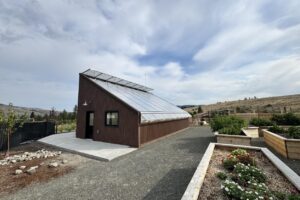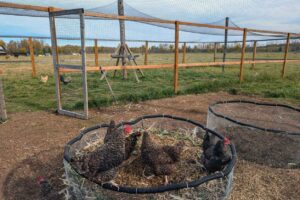


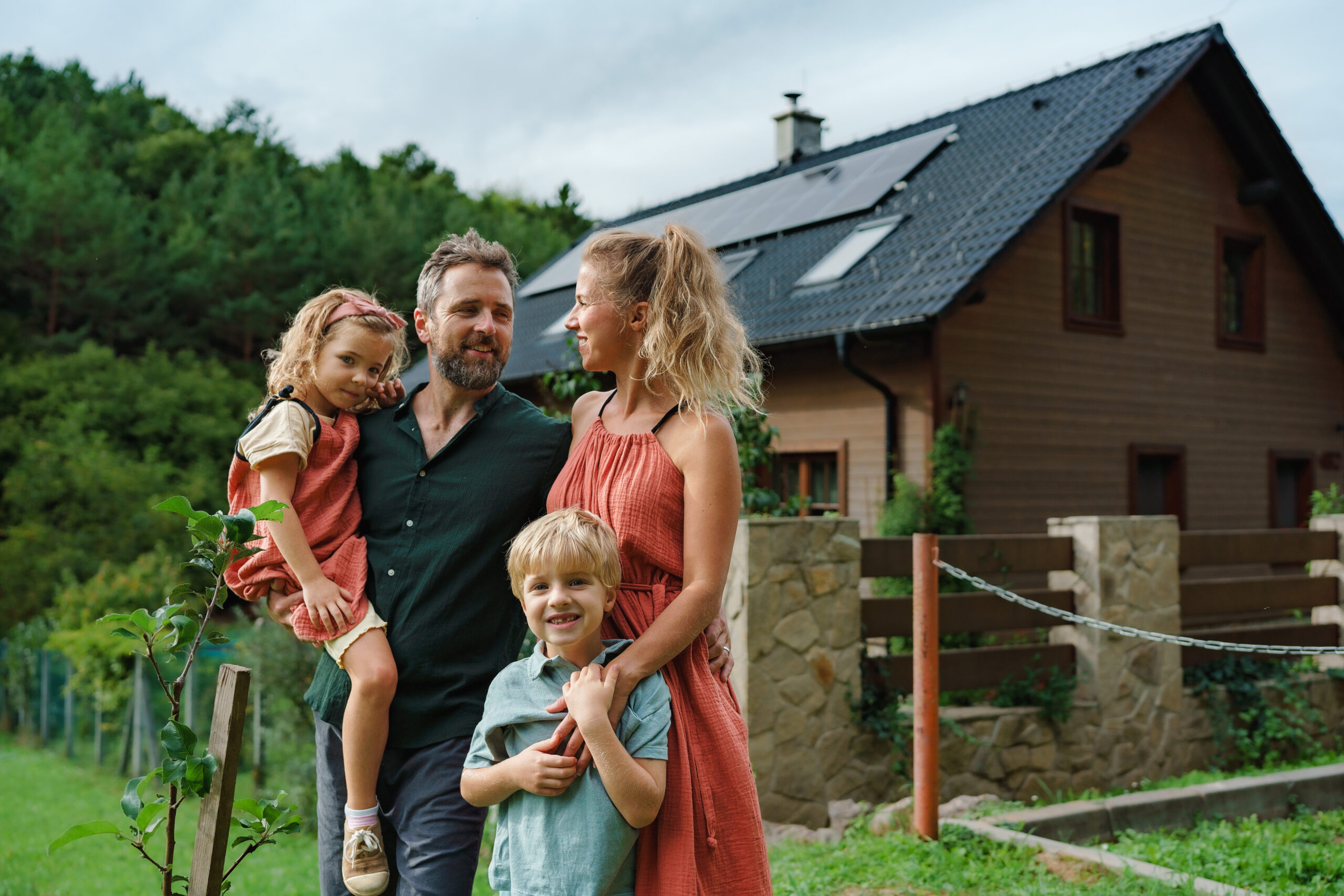
For many people, off grid solutions begin with solar panels and batteries. In reality, truly successful off grid systems go far beyond electricity. They integrate water, food production, wastewater treatment, landscape design, soil regeneration, and ecological planning into one connected system.
Whether you’re planning a rural home, developing a regenerative community, or evaluating land in British Columbia, designing an off-grid property requires systems thinking rather than isolated technologies. The difference between a property that merely survives and one that thrives lies in how every system supports the others.
At 5th World, we believe regenerative design creates properties that become more productive, resilient, and valuable over time. Instead of treating energy, water, and land as separate challenges, we design them as interconnected systems that work with nature—not against it.
In this guide, you’ll learn what modern off grid systems actually include, how they work together, common mistakes to avoid, and how regenerative design creates long-term environmental and financial value.
What Are Off Grid Solutions?
Off grid solutions are integrated strategies that allow a property to operate independently of municipal infrastructure such as electrical grids, water supply, sewer systems, and sometimes food distribution networks.
While many people associate off-grid living with remote cabins, today’s regenerative properties use advanced planning and proven technologies to deliver comfort, reliability, and long-term resilience.
An effective off-grid property typically includes:
- Renewable energy generation
- Energy storage
- Water collection and treatment
- Wastewater management
- Food production systems
- Passive building design
- Ecological landscape planning
Rather than selecting individual products, successful projects begin with understanding how these systems interact.
For example, healthy soils reduce irrigation requirements. Proper site grading captures rainfall naturally. Passive solar design lowers energy demand before solar panels are even considered.
This systems-first approach often reduces both capital costs and long-term maintenance.
Why Off Grid Systems Should Be Designed as Connected Ecosystems
One of the biggest misconceptions about off-grid development is treating each component independently.
Traditional development often follows this sequence:
- Install utilities
- Build the house
- Landscape afterward
Regenerative development reverses that thinking.
Instead, the land itself informs every design decision.
Questions include:
- Where does water naturally flow?
- How can rainfall be harvested?
- Which areas should remain forested?
- Where are the best solar exposures?
- How can food production integrate with stormwater management?
Every decision influences multiple systems simultaneously.
For example:
A properly positioned pond may:
- Store irrigation water
- Support biodiversity
- Reduce flood risk
- Improve fire resilience
- Moderate local temperatures
- Increase property value
The Core Components of Modern Off Grid Systems
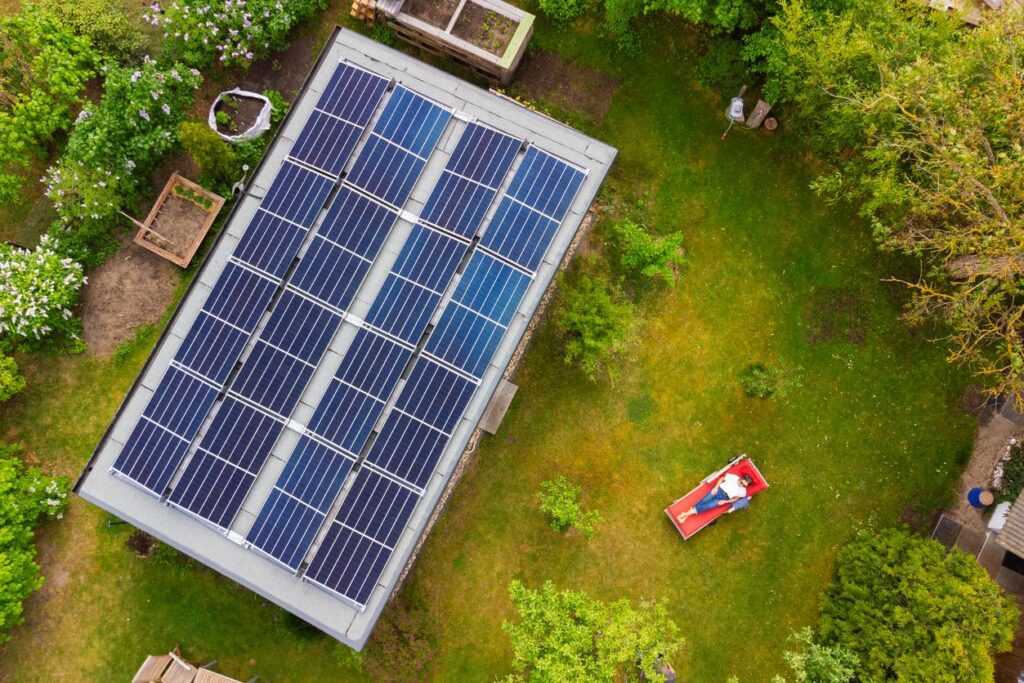
Renewable Energy Systems
Energy independence usually starts with reducing demand before adding generation capacity.
The best-performing off grid systems prioritize:
- High-performance building envelopes
- Passive solar heating
- Natural ventilation
- Efficient appliances
- Heat pumps
- Smart energy monitoring
Only after reducing energy demand should renewable generation be sized appropriately.
Common energy technologies include:
- Solar photovoltaic systems
- Battery storage
- Backup generators
- Micro-hydro (where appropriate)
- Small-scale wind (site dependent)
Many property owners overspend on oversized solar arrays when thoughtful building design could significantly reduce energy requirements.
Water Independence
Water is often the most overlooked aspect of off-grid planning.
A resilient water strategy may combine:
- Rainwater harvesting
- Groundwater wells
- Surface water storage
- Filtration systems
- UV sterilization
- Greywater reuse
- Efficient irrigation
Rather than viewing rainfall as runoff, regenerative design treats every drop as a resource.
Proper land contouring can dramatically increase water retention while reducing erosion and drought vulnerability.
Wastewater Management
Traditional septic systems solve one problem.
Regenerative wastewater systems create additional value.
Depending on regulations and site conditions, options may include:
- Advanced septic systems
- Constructed wetlands
- Greywater recycling
- Nutrient recovery
- Living filtration landscapes
Instead of treating wastewater as waste, regenerative systems return nutrients safely to ecological cycles whenever appropriate.
Food Production

Food security is increasingly becoming part of modern off grid solutions.
Integrated food systems might include:
- Market gardens
- Food forests
- Greenhouses
- Livestock integration
- Aquaponics
- Compost systems
- Pollinator habitat
Food production should complement water management, soil health, and biodiversity rather than compete with them.
Passive Building Design
The cheapest energy is the energy you never need.
Passive design strategies include:
- Optimal building orientation
- High insulation values
- Airtight construction
- Thermal mass
- Window placement
- Seasonal shading
Reducing energy demand can dramatically lower the size—and cost—of renewable energy systems.
Off Grid Systems in British Columbia: Unique Opportunities and Challenges
British Columbia offers exceptional opportunities for regenerative development because of its diverse climates, abundant rainfall in many regions, and growing interest in sustainable living.
However, successful projects require careful consideration of:
- Regional precipitation patterns
- Wildfire resilience
- Frost conditions
- Building regulations
- Water licensing requirements
- Soil characteristics
- Terrain and slope stability
For rural properties, proper site analysis often delivers greater returns than investing immediately in expensive technologies.
Understanding the landscape first helps every subsequent investment perform better.
Common Mistakes When Planning Off Grid Solutions
Many off-grid projects become more expensive than necessary because planning starts with equipment rather than design.
Common mistakes include:
Buying Technology Before Understanding the Land
Solar panels cannot solve poor site planning.
Neither can batteries compensate for inefficient buildings.
The land should guide the technology—not the other way around.
Ignoring Water Flow
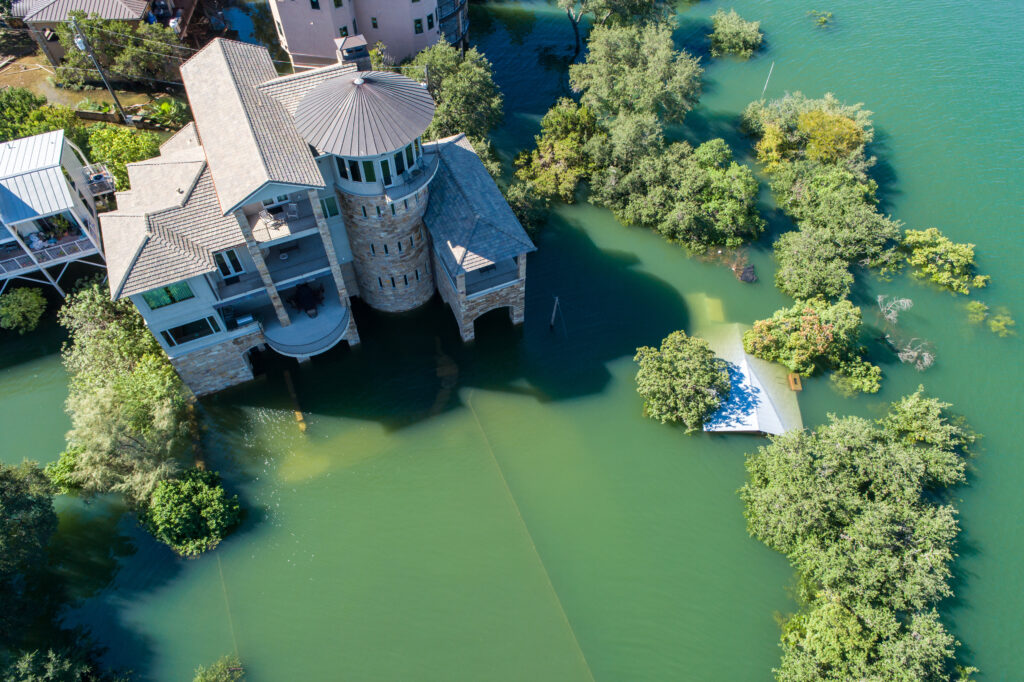
Many properties experience preventable flooding, erosion, or water shortages because natural drainage patterns were never analyzed.
Simple contour planning can improve long-term resilience significantly.
Oversizing Energy Systems
Reducing demand often costs less than increasing supply.
Investing in insulation, passive design, and efficient appliances frequently produces better returns than purchasing additional batteries.
Treating Systems Independently
Energy affects water.
Water affects agriculture.
Agriculture affects ecology.
Ecology affects long-term land productivity.
Everything is connected.
The Economics of Regenerative Off Grid Systems
People often ask whether regenerative off-grid design costs more.
The better question is:
Compared to what?
Conventional development frequently creates hidden future costs:
- Higher utility bills
- Increased maintenance
- Soil degradation
- Flood damage
- Water shortages
- Landscape replacement
- Reduced ecological resilience
Regenerative systems aim to reduce these long-term liabilities.
Examples include:
- Lower operating costs
- Improved water security
- Reduced energy consumption
- Increased property resilience
- Greater biodiversity
- Enhanced land productivity
- Long-term asset appreciation
Rather than maximizing short-term construction efficiency, regenerative design maximizes lifetime performance.
How Regenerative Design Creates Long-Term Land Value

Many sustainability discussions focus solely on reducing environmental impact.
Regenerative design goes further.
The objective is to leave land healthier than it was before development.
Over time, regenerative properties may experience:
- Healthier soils
- Better water retention
- Increased biodiversity
- Greater agricultural productivity
- Improved climate resilience
- Enhanced ecosystem services
These ecological improvements often translate into economic benefits through reduced maintenance, stronger productivity, and increased property desirability.
A well-designed regenerative property becomes an appreciating asset—not simply a collection of buildings.
The Future of Off Grid Solutions
Climate uncertainty, rising utility costs, and increasing pressure on infrastructure are changing how people think about property development.
Future-ready off grid systems will likely emphasize:
- Climate resilience
- Water security
- Local food production
- Renewable energy integration
- Circular resource management
- Biodiversity enhancement
Rather than pursuing complete isolation, many property owners are seeking greater independence while remaining connected to broader communities.
This balanced approach provides flexibility without sacrificing resilience.
Frequently Asked Questions
What are off grid solutions?
Off grid solutions are integrated systems that enable properties to operate independently from municipal utilities by combining renewable energy, water management, wastewater treatment, food production, and regenerative landscape design.
What are off grid systems?
Off grid systems are the physical infrastructure and planning strategies that support self-sufficient living, including solar power, battery storage, rainwater harvesting, wastewater management, and passive building design.
Are off grid systems expensive?
Initial costs vary depending on the site and project scope. However, thoughtful regenerative planning can reduce infrastructure requirements, lower operating costs, and increase long-term property value.
Can I build an off-grid property in British Columbia?
Yes, but every project should consider local regulations, climate conditions, water resources, wildfire risk, and site characteristics. Early planning is essential for successful implementation.
Why is regenerative design better than traditional sustainable design?
Sustainability often focuses on reducing negative impacts. Regenerative design seeks to improve ecological health by restoring soils, increasing biodiversity, strengthening water cycles, and creating properties that become more resilient over time.
Why Choose 5th World?

At 5th World, we don’t see off-grid design as a collection of technologies. We see it as an opportunity to create landscapes that support people, ecosystems, and future generations.
Our approach combines regenerative planning, ecological design, water systems, renewable energy strategy, and long-term land stewardship into one integrated process. Whether you’re planning a rural residence, agricultural property, eco-development, or land investment, we help design systems that work together from day one.
Instead of asking, “How can this property operate off-grid?”
We ask:
“How can this land become healthier, more resilient, and more valuable every year?”
Book a Free Introductory Call
Planning an off-grid property is about more than selecting solar panels or installing a water tank. The most successful projects begin with understanding the land and designing every system to work together.
Book a free Introductory Call with 5th World to discuss your property, goals, and vision for regenerative development. We’ll help you evaluate opportunities, identify constraints, and create a roadmap toward a resilient, future-ready property.
Not sure where to start?
Try our free Contour Map Generator to better understand your land’s topography and identify opportunities for water harvesting, access planning, and regenerative design.