

A food forest is not a garden. It’s not even traditional agriculture. It’s a designed ecosystem that mimics natural forest structure while producing nutrient-dense food and restoring biodiversity.
Most landowners think in terms of yield per season. A food forest reframes the question:
How can land generate value for decades with minimal inputs?
This article will show you:
- How a food forest works (as a layered system)
- Real design considerations, not just theory
- Why it’s a powerful strategy for landowners in regions like British Columbia and Ontario
- How to start planning one on your property
How a Food Forest Works: The 7-Layer System
A successful food forest involves an intentional layered design. Each layer plays a role in supporting productivity and resilience:
1. Canopy Layer (Long-Term Assets)
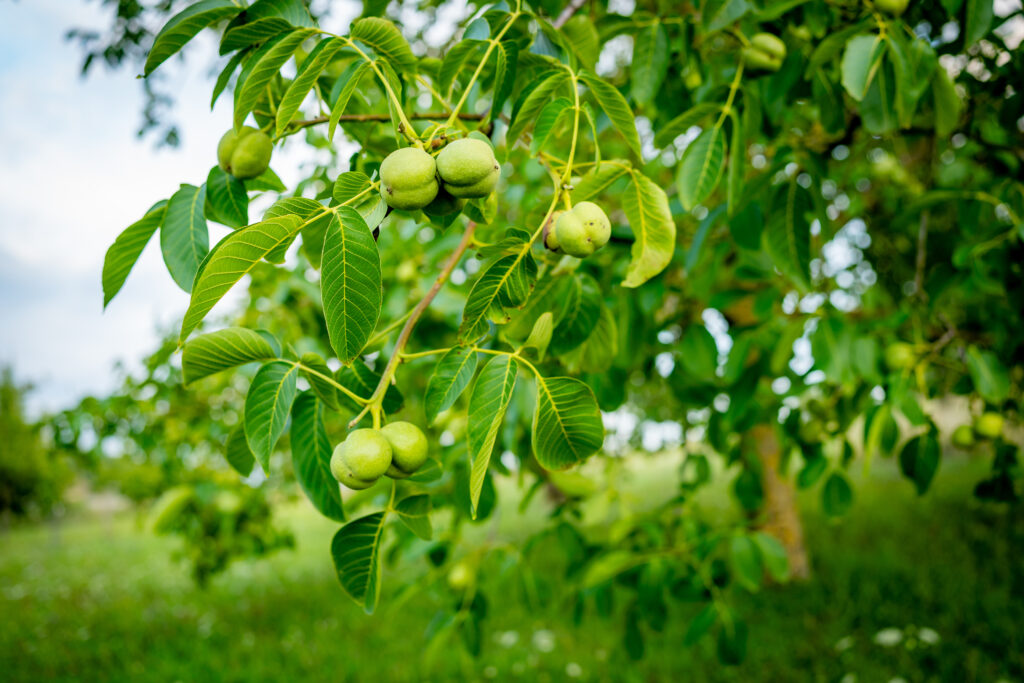
Large trees like chestnut or walnut create:
- Shade regulation
- Carbon capture
- High-value yields over time
2. Sub-Canopy (Mid-Term Yield)
Smaller fruit trees:
- Apples, pears, plums
- Faster return on investment than canopy trees
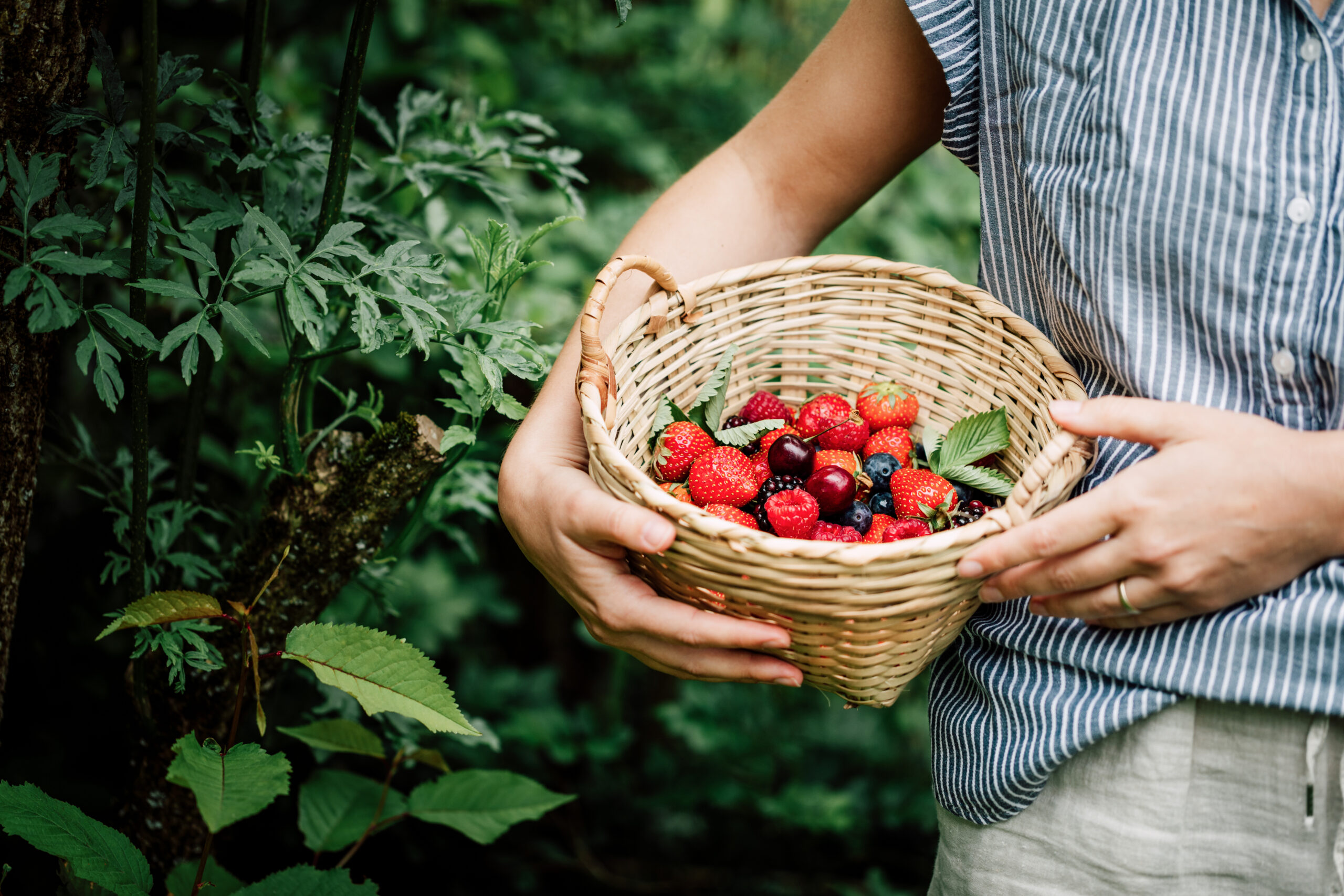
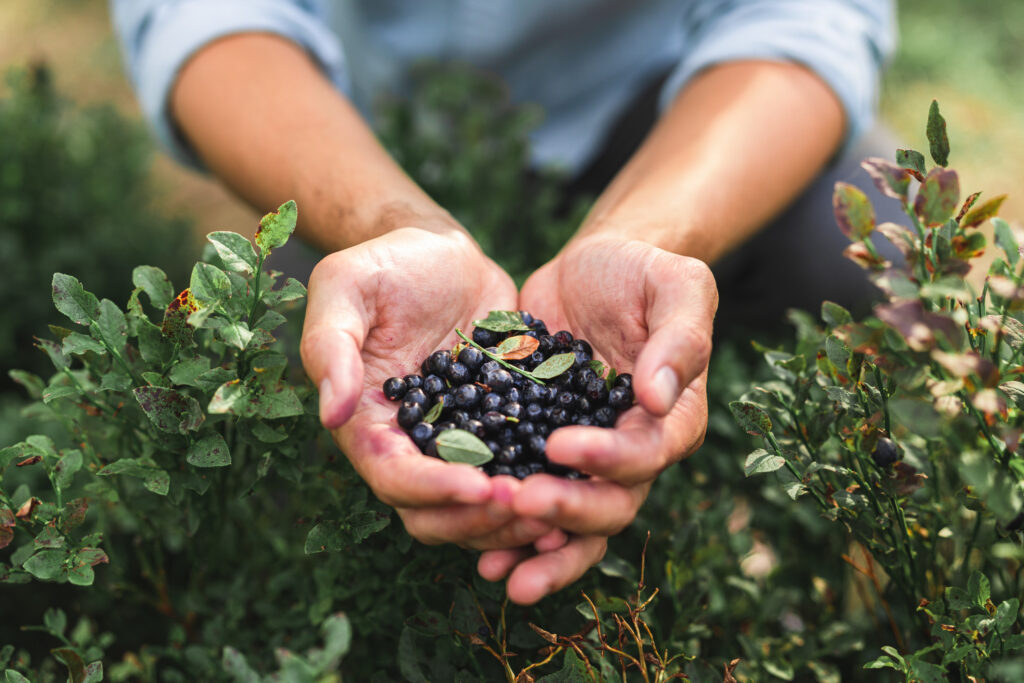
3. Shrub Layer (Early Productivity)
- Berries (currants, blueberries)
- Medicinal plants
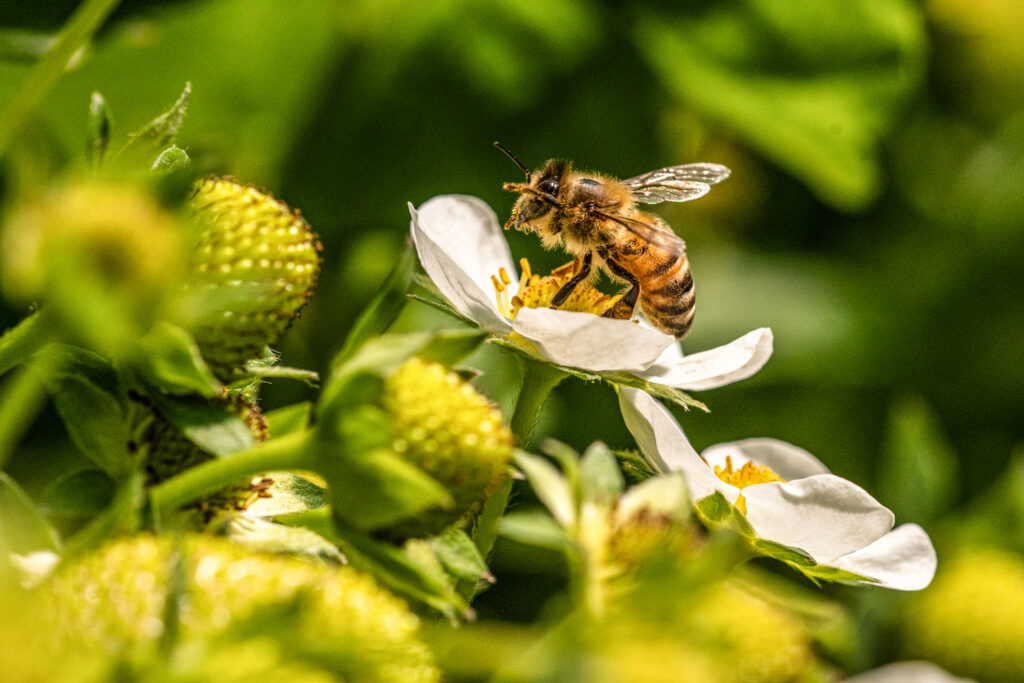
- Pollinator support
4. Herbaceous Layer
- Culinary herbs
- Dynamic accumulators (nutrient cycling)
5. Ground Cover
- Soil moisture retention
6. Root Layer
- Underground crops like garlic or Jerusalem artichoke
7. Vertical Layer (Climbers)
- Vines like grapes or kiwis maximize space efficiency
These layers don’t compete—they collaborate. When designed properly, they reduce labor through increased self-sufficiency, irrigation needs by locking moisture into the ground, and external inputs by enhancing soil biodiversity.
Food Forest Design in Canada: Climate-Specific Strategy
A food forest in British Columbia looks very different from one in Ontario.
In British Columbia:
- Longer growing seasons
- Higher rainfall therefore water management is critical
- Opportunity for diverse perennial crops
In Ontario:
- Shorter growing season
- Freeze-thaw cycles therefore soil structure matters
- Wind protection becomes a key design factor
This variability is why DIY approaches may fail.
Copy-paste permaculture templates don’t account for:
- Microclimates
- Soil composition
- Water flow patterns
- Local animal species
- Long-term maintenance realities
A true regenerative design starts with land reading, not planting.
Systems Thinking: The Real Power Behind a Food Forest
Most ‘sustainable’ projects focus on reducing harm. At 5th World, we focus on actively improving human and ecological well-being using regenerative food, water, and energy systems.
Integrating other regenerative solutions with a food forest strengthens its performance on all metrics, whether it be improved human and ecological health, climate resilience, self-sufficiency, yields, revenue, etc.
Water
- Swales and contour design reduce irrigation needs
- Passive water retention increases drought resilience
Soil
- Built over time through organic matter cycling
- Eliminates dependence on synthetic inputs
Ecology
- Biodiversity reduces pests naturally
- Pollination becomes self-sustaining
Economics
- Multi-phase yield strategy:
- Year 1–2: Herbs, annuals
- Year 3–5: Berries and shrubs
- Year 7 and beyond: Tree crops
This creates stacked revenue streams, not single-season risk.
The Business Case: Why Food Forests Increase Land Value

Conventional landscaping extracts value. Food forests compound it.
Tangible Benefits:
- Reduced operating costs over time
- Increased biodiversity (regulatory and ecological value)
- Long-term yield without replanting cycles
Strategic Advantages:
- Climate resilience (critical for future land valuation)
- Alignment with emerging sustainability policies
- Higher appeal to eco-conscious buyers and investors
A well-designed food forest is not just agriculture—it’s a long-term asset class.
Common Mistakes (And Why A Food Forest Could Fail)
Food forest projects underperform when they commit these common errors.
1. Ignoring Water Systems
Water should be designed first, not last.
2. Overplanting or Planting Too Early
More plants does not equate to a better system. Density must match soil capacity and succession timing.
3. No Economic Plan
Aesthetic forests don’t sustain themselves financially.
4. Lack of Phasing Strategy
Without staging:
- Maintenance costs spike
- Systems collapse before maturity
This is why regenerative design must go beyond theory—it requires on-the-ground expertise.
How to Start a Food Forest (The Right Way)
If you’re considering a food forest, start here:
Step 1: Land Assessment
- Soil testing
- Water flow mapping
- Sun and wind exposure
Step 2: Define Outcomes
- Personal use versus revenue
- Timeline expectations
- Maintenance capacity
Step 3: System Design
- Layer integration
- Water infrastructure
- Phased planting strategy
Step 4: Implementation Plan
- Year-by-year rollout
- Budget alignment
- Labor strategy
If you skip steps one through two you’re guessing—not designing.
Food Forest FAQ
What is a food forest in simple terms?
A food forest is a designed ecosystem that mimics a natural forest while producing food through layered planting systems.
How long does a food forest take to establish?
Initial yields can begin in one to two years, but full system maturity typically takes seven to 15 years.
Are food forests profitable?
Yes, when designed correctly. Profitability comes from diversified yields and reduced long-term costs.
Can food forests work in cold climates like Canada?
Absolutely, but species selection and system design must be climate-specific.
Build a Food Forest That Actually Works
A food forest isn’t a passing trend—it’s a fundamental shift in how we understand land, value, and time. It asks us to move beyond short-term yields and toward systems that mature, adapt, and compound in resilience and productivity year after year.
Many projects fall short because they stop at ‘sustainability,’ aiming only to reduce harm. But reducing harm isn’t the same as healing the land and creating abundance. Real success comes from approaching landscape projects as a living system—one that not only sustains itself but generates value across multiple layers: Human and ecological health, climate resilience, self-sufficiency, yields, revenue, etc.
If you’re considering this path, the key is not just to plant—but to design with purpose.
Let’s evaluate your land and explore what a food forest could become. Book a free introductory call by filling in our contact form here.
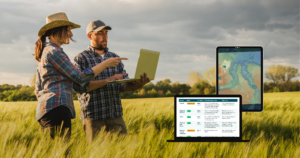
Understand your property’s water flow and design potential in minutes. Evaluate your land with our free Contour Map Generator here.