

As energy costs rise, climate uncertainty increases, and conventional development continues to strain natural resources, more landowners are exploring off grid home designs as a pathway toward independence and resilience.
But truly successful off grid home plans involve much more than installing solar panels and disconnecting from utility infrastructure.
The most effective off-grid homes function as integrated systems. They combine renewable energy, water management, ecological restoration, food production, and thoughtful architecture into a single regenerative framework that strengthens both the property and the people living on it.
At 5th World, we believe the future of residential development is not simply sustainable—it is regenerative. A well-designed off-grid property should improve the health of the land, increase long-term value, and create greater economic and environmental resilience over time.
In this guide, we’ll explore what modern off-grid design looks like, the essential systems involved, and how strategic planning can transform a parcel of land into a thriving, self-sustaining ecosystem.
What Are Off Grid Home Designs?
Off grid home designs are residential structures intentionally planned to operate independently from public utility infrastructure.
This typically includes:
- Renewable energy generation
- Water collection and storage
- Wastewater treatment
- Food production systems
- Climate-responsive architecture
- Resource-efficient building materials
However, the best off-grid homes are not simply collections of independent technologies.
Instead, they are carefully integrated systems where every component supports the others.
For example:
- Roof design influences rainwater collection
- Building orientation impacts solar energy production
- Landscaping affects water retention and soil health
- Food systems contribute to ecological regeneration
- Water management influences long-term drought resilience
When these elements work together, the result is a property that becomes more productive and resilient over time.
Why Interest in Off Grid Home Plans Is Growing
Several trends are driving increased demand for off-grid living:
1. Rising Utility and Grocery Costs
Utility and grocery prices continue to fluctuate, creating uncertainty for homeowners. Renewable energy, water collection and management, and on-site food production can provide greater predictability and long-term savings.
2. Climate Resilience
Extreme weather events are exposing vulnerabilities in centralized infrastructure. Distributed energy, water, and food systems help reduce dependence on external networks.
3. Remote Work Flexibility
More people now have the ability to live outside major urban centers, creating opportunities to build homes in rural and semi-rural locations.
4. Land Stewardship
Many property owners are looking beyond conventional development models and seeking ways to improve ecological health while creating lasting value.
This shift represents more than a lifestyle trend. It reflects a growing interest in designing properties that can thrive under changing environmental and economic conditions.
The Key Elements of Modern Off Grid Home Plans
Successful off-grid projects begin with systems thinking.
Rather than focusing on individual technologies, the planning process should evaluate how energy, water, food, land, ecology, and architecture interact.
1. Passive Solar Design
One of the most overlooked aspects of off-grid design is reducing energy demand before generating energy.
Passive solar design strategies include:
- South-facing window placement
- Strategic shading
- High-performance insulation
- Thermal mass materials
- Natural ventilation pathways
A properly oriented home can significantly reduce heating and cooling requirements before any renewable energy system is installed.
This often delivers the highest return on investment in an off-grid project.
2. Renewable Energy Systems
Most off-grid homes rely on solar power as their primary energy source.
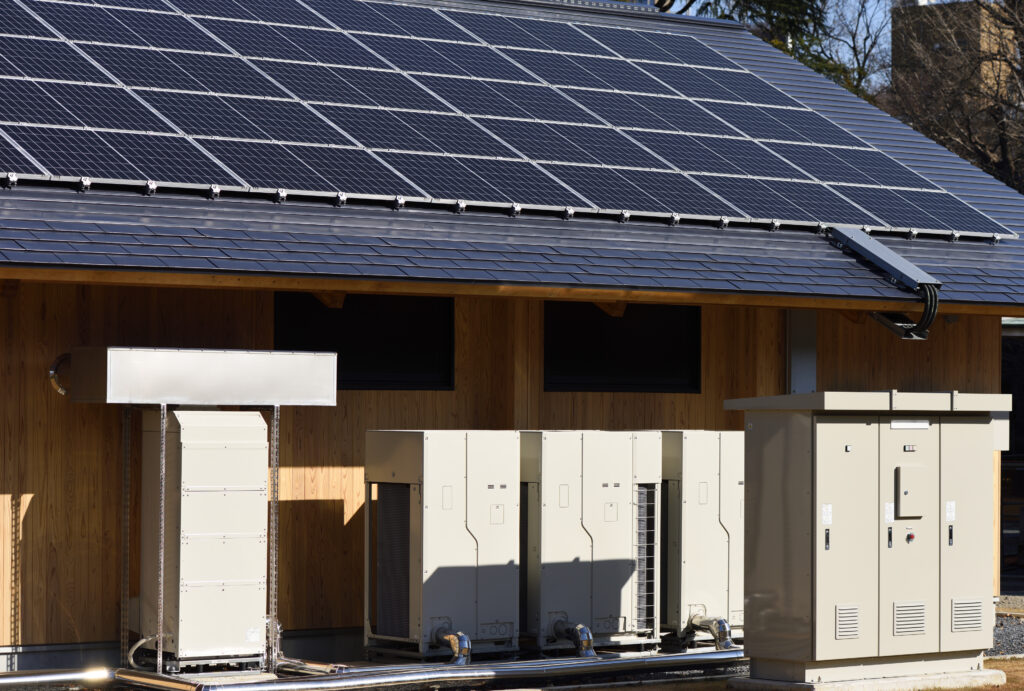
A typical system may include:
- Solar photovoltaic panels
- Battery storage
- Inverters
- Backup generation systems
- Energy monitoring infrastructure
However, system sizing should be based on actual usage patterns rather than generic assumptions.
An oversized system increases costs unnecessarily, while an undersized system can create ongoing operational challenges.
Thoughtful energy modeling during the planning stage helps optimize both performance and cost.
3. Water Independence
Water often becomes the most important factor in long-term resilience.
Modern off-grid water systems can include:
- Rainwater harvesting
- Surface water capture
- Groundwater wells
- Storage tanks
- Filtration systems
- Greywater reuse
Many conventional developments treat water as a utility service.
Regenerative properties treat water as an ecological asset.
By slowing, spreading, and storing water across the landscape, landowners can improve soil health, increase productivity, and strengthen drought and wildfire resistance.
4. Wastewater and Nutrient Cycling
Conventional infrastructure often treats waste as a disposal problem.
Regenerative design views waste as a resource.
Potential solutions include:
- Advanced septic systems
- Constructed wetlands
- Composting systems
- Greywater irrigation
- Nutrient recovery strategies
When designed properly, these systems can support soil fertility and landscape health while reducing environmental impacts.
5. Food Production Integration
Many off-grid properties aspire to greater food security but fail to integrate production systems into the original design.
Effective planning may include:
- Kitchen gardens
- Food forests
- Greenhouses
- Agroforestry systems
- Livestock infrastructure
- Irrigation networks
Food production should not be an afterthought.
When incorporated into site planning from the beginning, it can improve both ecological function and economic value.
How Regenerative Design Improves Off Grid Home Performance
Many sustainability discussions focus on reducing negative impacts.
Regenerative design goes further.
The objective is to create systems that actively improve ecological conditions over time.
This may include:
- Restoring degraded soils
- Increasing biodiversity
- Enhancing water retention
- Sequestering carbon
- Creating wildlife habitat
- Improving agricultural productivity
For landowners, this creates a powerful opportunity.
The property becomes more valuable not only because of its structures but because of its improving ecological function.
In many cases, ecological health and economic performance become mutually reinforcing.
Common Mistakes When Choosing Off Grid Home Plans
1. Designing the House Before Understanding the Land
Many projects begin with architectural plans before site analysis is complete.
This often results in:
- Poor solar orientation
- Inefficient water management
- Improper food systems placement
- Increased infrastructure costs
- Reduced ecological performance
The land should guide the design process.
2. Focusing Only on Technology
Technology alone does not create resilience.
Solar panels, batteries, and water tanks are important, but they work best when integrated into a broader ecological strategy.
3. Ignoring Future Growth
Families, businesses, and property uses evolve over time.
Off-grid plans should allow for future expansion and adaptation.
4. Underestimating Water Planning
Energy systems receive significant attention, but water often determines long-term viability.
A comprehensive water strategy should be developed before construction begins.
Off Grid Home Designs in British Columbia and Similar Regions
For property owners considering off-grid development in British Columbia, site-specific planning becomes particularly important.
Factors that influence design include:
- Annual rainfall patterns
- Seasonal temperature variation
- Forest ecology
- Topography
- Wildfire considerations
- Local regulations
A successful off-grid design in British Columbia may look very different from one developed in Alberta, Ontario, or the southwestern United States.
This is why regenerative planning always begins with a detailed understanding of the landscape itself.
Every site contains unique opportunities and constraints that should shape the final design.
The Long-Term Economics of Off Grid Living
One of the biggest misconceptions about off-grid development is that it is purely an environmental decision.
In reality, many projects are driven by long-term economics.
Potential benefits include:
- Reduced utility expenses
- Greater energy independence
- Lower operational risk
- Increased land productivity
- Enhanced property value
- Potential agricultural revenue opportunities
When viewed over a 20- to 30-year horizon, integrated regenerative systems often outperform conventional development approaches.
The key is designing for long-term value creation rather than short-term cost minimization.
The Future of Off Grid Home Design

The next generation of off-grid homes will likely move beyond simple self-sufficiency.
Future projects will increasingly focus on:
- Ecological restoration
- Water resilience
- Carbon-positive landscapes
- Food production integration
- Circular resource systems
- Community-scale regeneration
Rather than existing apart from nature, these properties will function as productive ecosystems that improve environmental conditions while supporting human needs.
This represents a fundamental shift in how we think about development.
The question is no longer how to minimize damage.
The question is how to create places that become healthier, more productive, and more valuable with every passing year.
Frequently Asked Questions About Off Grid Home Designs
What is the difference between off grid home designs and conventional home designs?
Off-grid homes are specifically planned to operate independently of public utility infrastructure. They typically include integrated systems for energy, water, food, and resource management.
How much land is needed for an off-grid home?
The answer depends on your goals. A small off-grid residence may function on a few acres, while regenerative properties that include food production, forestry, or agriculture often benefit from larger parcels.
Are off-grid homes more expensive to build?
Initial costs can be higher due to infrastructure investments. However, many owners achieve long-term savings through reduced utility expenses and increased property resilience.
Can off-grid homes increase property value?
Properties that successfully integrate energy independence, water security, ecological restoration, and productive land uses may create significant long-term value.
What is the most important factor in off-grid planning?
Site analysis. Understanding water flows, solar exposure, topography, ecology, and future land use goals is essential before developing any design.
Build an Off Grid Property That Creates Long-Term Value
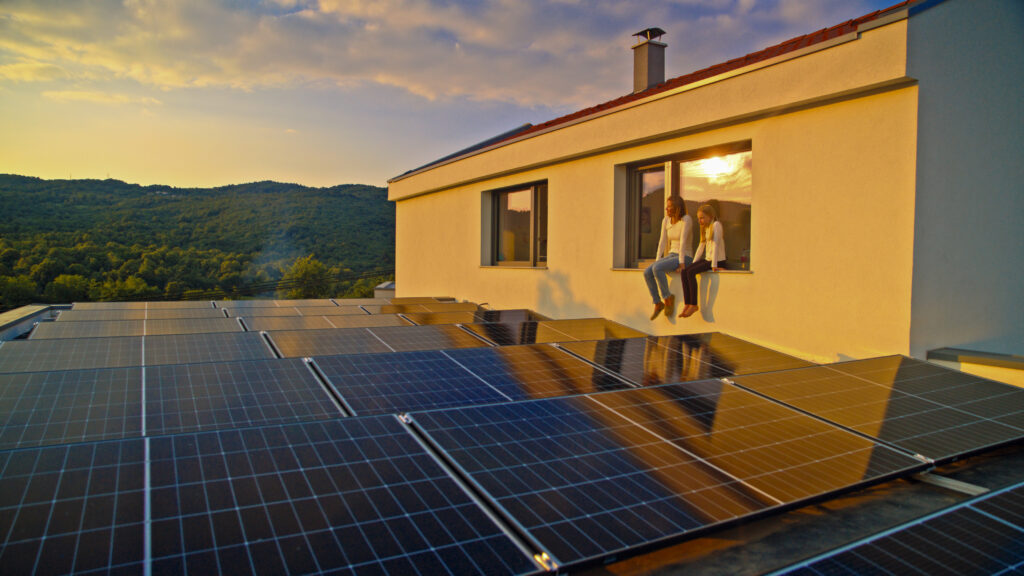
The most successful off grid home designs are not defined by technology alone.
They are defined by integration.
When architecture, energy systems, water management, ecology, and food production are designed together, a property becomes more than a home. It becomes a resilient and regenerative asset capable of delivering environmental, social, and economic value for generations.
At 5th World, we help landowners design regenerative properties that align ecological health with long-term prosperity.
Book a Free Introductory Call
If you’re exploring off grid home plans and want to understand your property’s potential, we’d love to help.
Contact 5th World to discuss your vision and explore how regenerative design can transform your land into a thriving, resilient system.
Free Resource
Evaluate your property’s potential with our free Contour Map Generator and begin identifying opportunities for resource management, ecological restoration, and long-term land value creation.