


The idea of a homestead has evolved far beyond simply building a house on rural land.
Today, more landowners are looking for properties that produce healthy, nutrient-dense food, manage water intelligently, restore ecosystems, and support long-term self-reliance. This shift is changing what people expect from a modern homestead company.
At 5th World, homestead development is approached as the design and implementation of interconnected regenerative systems that improve the land over time.
That includes:
- Water systems
- Soil regeneration
- Food production infrastructure
- Ecological restoration
- Forestry integration
- Passive energy strategies
- Climate resilience planning
- Long-term land stewardship
Rather than applying standardized development models to rural properties, a regenerative homestead company works with the natural patterns of the land to create systems that become more productive, resilient, and ecologically healthy over decades.
For landowners in British Columbia, Alberta, and across North America, this approach is becoming increasingly important as climate instability, rising infrastructure costs, and environmental pressures reshape how rural land is developed.
What Does a Homestead Company Actually Do?
Many rural contractors focus primarily on construction:
- Houses
- Foundations
- Roads
- Utilities
- Site clearing
A regenerative homestead company takes a much broader approach.
The goal is not simply to build structures. The goal is to design integrated living systems.
That process often begins before any construction starts.
Instead of asking: “Where should the house go?”
A regenerative planning process asks:
- How does water move through the land?
- Where are the healthiest soils?
- Which areas should remain forested?
- How can infrastructure improve hydrology instead of damaging it?
- Where should food systems be located for long-term productivity?
- How can the property reduce future maintenance costs?
- How can the land become more resilient over time?
This systems-first mindset is one of the defining differences between a conventional contractor and a regenerative homestead company.
Regenerative Homestead Design Starts With the Landscape
Conventional development often forces the land to conform to a predetermined building plan.
Regenerative homestead development reverses that process.
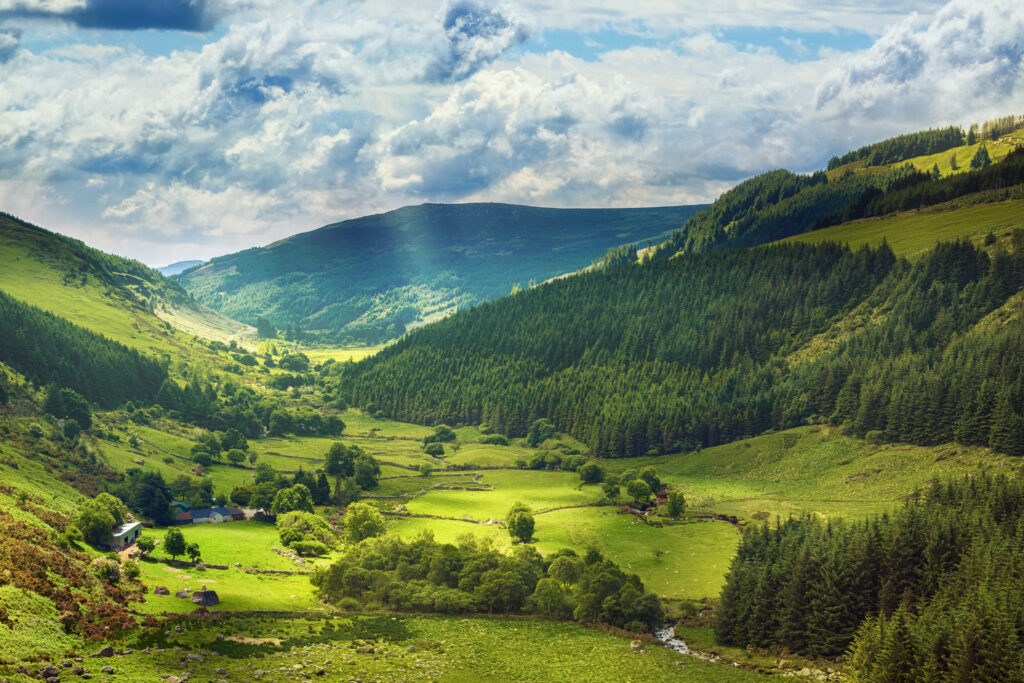
The landscape itself becomes the foundation for every design decision.
This includes analyzing:
- Topography
- Water flow
- Soil biology
- Sun exposure
- Wind patterns
- Existing ecosystems
- Microclimates
- Seasonal environmental changes
These natural conditions influence:
- Building placement
- Access roads
- Water systems
- Agricultural zones
- Forestry management
- Infrastructure layout
For example:
- A road may also function as a water-management system
- A pond may improve biodiversity, irrigation, and fire resilience simultaneously
- Tree placement may reduce wind exposure and cooling costs
- A greenhouse may extend growing seasons while supporting passive heating strategies
Every element is designed to perform multiple functions.
This integrated approach is central to regenerative systems design.
Why Water Systems Are Critical in Homestead Development
Water is one of the most important long-term assets on any rural property.
However, conventional development often treats water as a problem that needs to be redirected off-site as quickly as possible.
A regenerative homestead company approaches water differently.
The goal is to slow, store, infiltrate, and intelligently distribute water throughout the landscape.
This may include designing and implementing:
- Swales
- Contour water systems
- Retention ponds
- Rainwater harvesting systems
- Passive irrigation systems
- Greywater reuse infrastructure
- Erosion-control systems
- Fire-resilient water storage
Well-designed water systems can improve:
- Soil moisture retention
- Agricultural productivity
- Drought resilience
- Biodiversity
- Long-term landscape stability
For example in British Columbia, where seasonal drought and wildfire risks are increasing, intelligent water management is becoming essential for resilient homestead development.
Soil Regeneration Is Long-Term Infrastructure
Many conventional construction projects degrade soil health through:
- Excessive grading
- Heavy machinery compaction
- Vegetation removal
- Poor drainage planning
Over time, damaged soil creates expensive long-term problems:
- Reduced agricultural productivity
- Erosion
- Drainage issues
- Poor water retention
- Increased dependency on external inputs
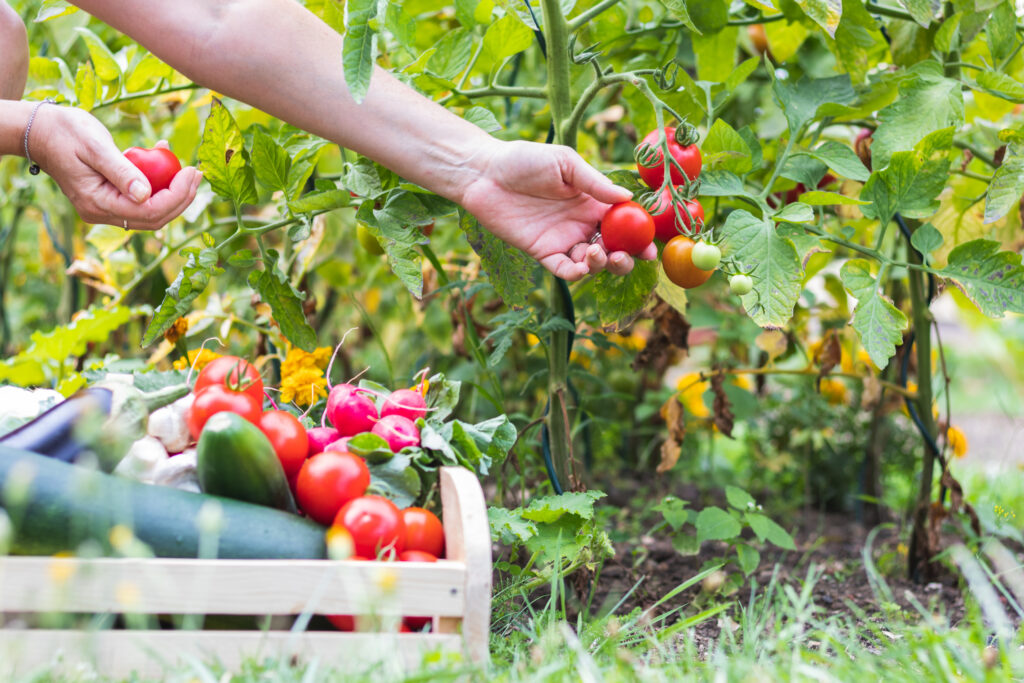
A regenerative homestead company treats soil as living infrastructure.
Healthy soil directly supports:
- Water retention
- Food production
- Carbon storage
- Biodiversity
- Ecosystem resilience
- Long-term land productivity
Regenerative implementation strategies may include:
- Minimal disturbance construction
- Compost integration
- Agroforestry
- Managed grazing
- Native species restoration
- Mulching systems
- Cover cropping
- Organic matter development
Over time, these systems improve both ecological performance and economic resilience.
A Homestead Building Company Should Think in Systems
A regenerative homestead project requires more than construction expertise.
It requires systems thinking.
A homestead building company focused on regenerative development understands that every part of the property influences the others:
- Roads affect water flow
- Water systems affect soil biology
- Tree placement affects temperature regulation
- Agricultural systems affect biodiversity
- Infrastructure affects long-term maintenance costs
This integrated planning process creates properties that become more efficient and resilient over time rather than more resource-intensive.
For example, a properly designed food forest may:
- Improve soil fertility
- Reduce irrigation demand
- Increase biodiversity
- Produce long-term yields
- Moderate temperature extremes
Similarly, an intelligently designed access road may:
- Reduce erosion
- Improve drainage
- Lower maintenance costs
- Support fire access
- Integrate with contour water systems
This is what separates regenerative homestead development from conventional rural construction.
Why More Landowners Are Choosing Regenerative Homestead Companies
Interest in regenerative homestead development is growing because more people are seeking:
- Food security
- Lower operating costs
- Ecological stewardship
- Long-term land productivity
- Climate resilience
- Greater self-reliance
- Integrated rural living systems
At the same time, conventional development models are becoming increasingly expensive and vulnerable to environmental instability.
Poorly planned rural properties often face:
- Water shortages
- Erosion problems
- Soil degradation
- Rising utility costs
- Heat exposure
- Wildfire vulnerability
- Expensive infrastructure retrofits
Regenerative systems help reduce these risks through intelligent long-term planning.
This creates value that extends far beyond short-term resale pricing.
The Economics of Regenerative Homestead Design
Some landowners assume regenerative development is more expensive than conventional construction.
In reality, poor planning often creates hidden long-term costs that exceed the investment required for intelligent ecological design.
Common long-term expenses include:
- Drainage remediation
- Road washouts
- Irrigation retrofits
- Soil rehabilitation
- Fire mitigation upgrades
- Excessive heating and cooling costs
- Erosion repair
A regenerative homestead company reduces these risks by designing infrastructure that works with natural systems instead of against them.
Examples include:
- Passive solar orientation reducing heating demand
- Water retention lowering irrigation costs
- Windbreaks improving energy efficiency
- Healthy soil reducing fertilizer dependency
- Integrated forestry improving ecosystem stability
The result is not just a more sustainable property.
It is a more resilient and economically durable one.
Frequently Asked Questions

What does a homestead company do?
A homestead company designs and implements integrated rural living systems, including homes, water infrastructure, regenerative agriculture systems, ecological restoration strategies, and long-term land planning.
What is regenerative homestead design?
Regenerative homestead design is an approach that improves ecological health over time through integrated systems like water retention, soil restoration, passive energy design, and regenerative agriculture.
Why are regenerative systems important for rural properties?
Regenerative systems improve long-term resilience, reduce maintenance costs, increase land productivity, and help properties adapt to climate instability and resource pressures.
Build a Homestead Designed for Long-Term Resilience
A regenerative homestead is more than a construction project.
It is the design and implementation of living systems that improve the land over time.
At 5th World, we approach homestead development through ecological intelligence, systems thinking, and regenerative design to help landowners create properties that are resilient, productive, and deeply connected to the landscape itself.
Book a free introductory call to discuss your land and your goals.
Evaluate your land with our free Contour Map Generator to better understand water flow, terrain, and regenerative system opportunities for your property.