

Prime Minister Mark Carney’s announcement of Canada’s first National Food Security Strategy marks an important shift in Canadian agriculture and economic policy. While the strategy includes more than $3 billion in investments to increase competition, expand domestic food production, strengthen processing capacity, and reduce regulatory barriers, its broader significance lies in what it signals about Canada’s future.
Food is no longer being treated solely as an agricultural issue. It is increasingly recognized as a matter of economic resilience and independence, as well as national competitiveness.
At 5th World, we see this announcement as confirmation of a shift that has been unfolding across the food system for years. Through our work on farm design and development projects and partnerships at the residential, commercial, and institutional level, we have seen growing recognition that Canada’s long-term prosperity depends on secure and sovereign food networks.
The strategy acknowledges a reality that many producers, investors, and food system innovators already understand: Canada can no longer rely on its food system in its current form.
Despite being one of the world’s largest agricultural exporters, Canadians face some of the highest grocery costs in the G7. At the same time, global supply chains are becoming more vulnerable to geopolitical tensions, climate disruptions, labour shortages, and shifting trade relationships. These pressures are exposing weaknesses in food systems worldwide and are forcing governments to rethink how essential goods are produced, processed, and distributed.
The National Food Security Strategy reflects a growing understanding that food security and food sovereignty are deeply connected. A nation that cannot reliably control its own food remains vulnerable to external shocks.
The New Conversation Around Food Sovereignty
For decades, food security discussions focused on supply—whether enough food could be produced to meet demand. Today, the conversation encompasses the entire system connecting production to consumption, including infrastructure, processing capacity, logistics, labour availability, access to capital, regulation, and market competition.
Food sovereignty builds on this by emphasizing control. It asks whether a country can shape its own food future rather than depending on external systems that may become unstable or inaccessible.
The government’s investments in food terminals, processing facilities, innovation, greenhouse production, and grocery competition are not simply economic development initiatives. They are efforts to strengthen Canada’s control over critical parts of its food system.
Recent years have shown how quickly global conditions can change. Supply chains can become fragile under stress, weather events can disrupt production, and trade disputes or transportation bottlenecks can limit access to essential goods.
Food sovereignty is not about isolation. Canada will remain a major participant in global agricultural markets. It is about ensuring Canadians retain meaningful control over the systems that feed them.
The Missing Middle in Canada’s Food System
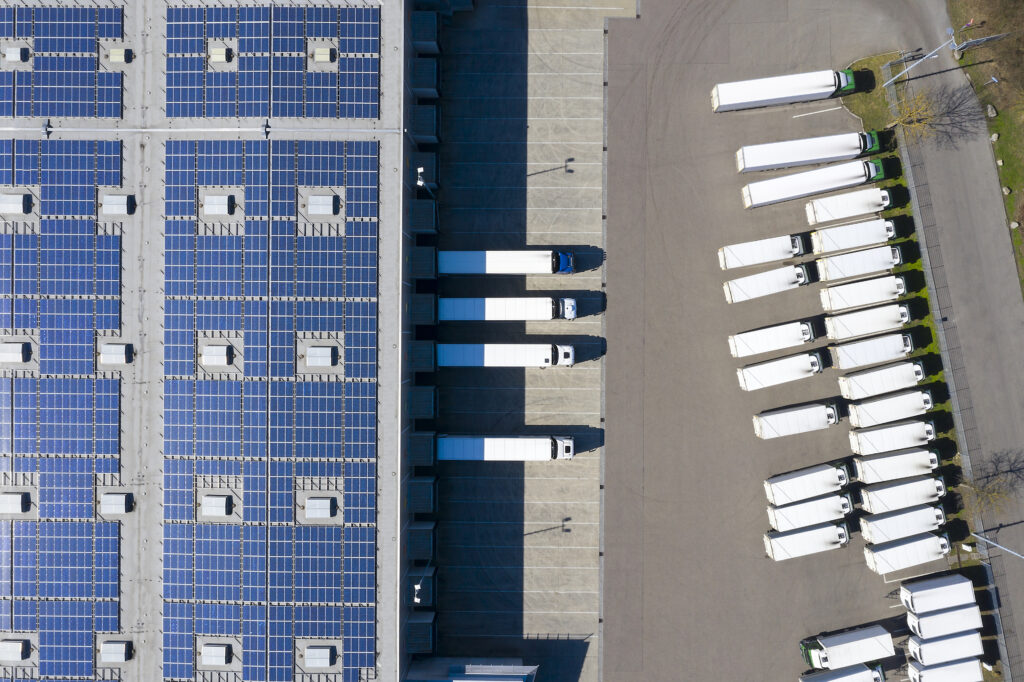
One of the most encouraging aspects of the strategy is its recognition that food security is not solely a production challenge.
Canada already produces an extraordinary amount of food. The greater challenge often lies in what happens after food leaves the farm.
This reality was reinforced at the recent Regenerative Food Systems Investment Canada (RFSI) conference, where 5th World was present to discuss the future of agriculture alongside other key players in the ecosystem such as producers, investors, policymakers, and food system leaders.
Throughout the event, participants repeatedly identified the same obstacles preventing regional food systems from scaling effectively: Insufficient processing facilities, limited cold storage, weak aggregation systems, distribution bottlenecks, and inadequate regional infrastructure.
These challenges form what is often called the “missing middle” of the food system.
A producer may grow high-quality food, but without access to processing, storage, transportation, and distribution infrastructure, growth becomes difficult. Products struggle to reach markets efficiently, producers remain dependent on intermediaries, and consumers face fewer choices and higher prices.
The federal government’s commitment to invest $1 billion in food infrastructure directly addresses this gap. Processing facilities, food hubs, logistics networks, and distribution systems form the connective tissue that allows regional food economies to thrive.
At 5th World, we believe this represents one of the most important opportunities for innovation and investment over the next decade. Building a resilient food system requires not only growing food but also strengthening the systems that move it efficiently from producers to consumers.
Regeneration as a Competitive Advantage
Another important theme emerging across the food sector is the changing conversation around regenerative agriculture.
For years, regenerative agriculture was discussed primarily through the lens of sustainability. While those benefits remain important, a new perspective is gaining traction: Regeneration as a business strategy.
Agricultural productivity growth is slowing globally. Climate volatility is increasing. Input costs continue to rise. Weather-related disruptions are becoming more frequent and more severe.
Regenerative agriculture offers a compelling response. Healthy soils improve water retention during droughts. Diverse ecosystems reduce operational risk. Improved soil biology can support productivity while reducing dependence on synthetic inputs. Stronger ecosystem function contributes to long-term land value and resilience.
At the RFSI conference, speakers consistently raised these benefits, framing regenerative agriculture as a tool for improving resilience, enhancing productivity, managing risk, and protecting long-term asset value.
This reflects a growing recognition that many agricultural challenges are economic as much as environmental—a perspective that aligns closely with 5th World’s work as well as with the objectives of Canada’s National Food Security Strategy.
Viewed through this lens, regenerative agriculture becomes more than just an option. It becomes the only viable strategy for national food security and maintaining competitiveness in a changing world.
Food Systems Are Coordination Systems
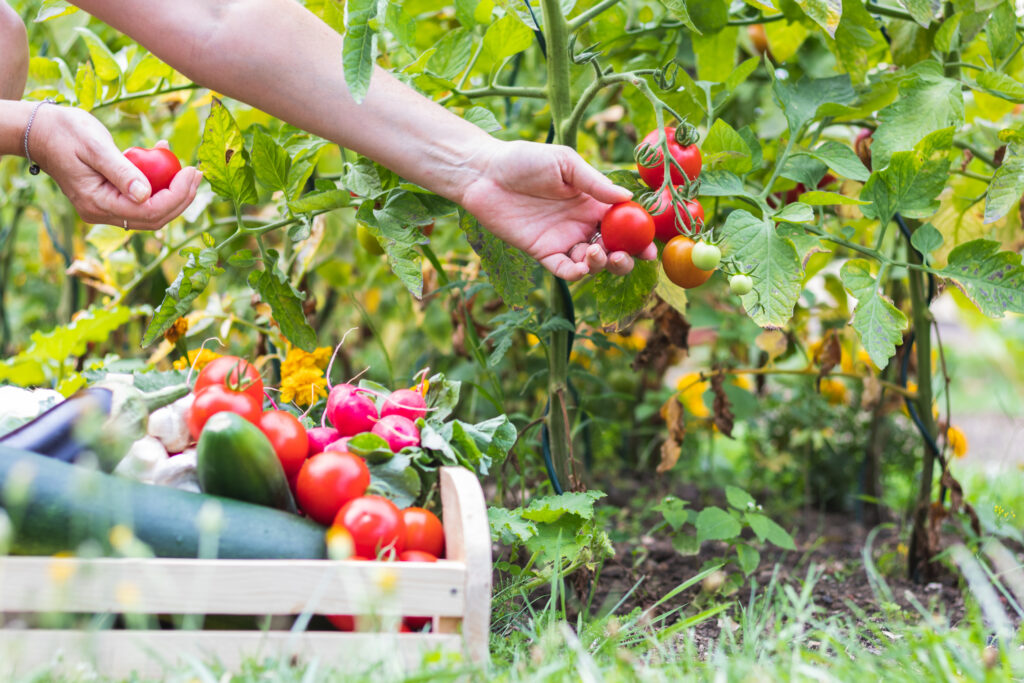
One of the most valuable insights from the conference was the recognition that regeneration is fundamentally a coordination challenge.
Too often, agricultural discussions focus exclusively on farm-level practices. While cover crops, rotational grazing, reduced tillage, and agroforestry are important, widespread adoption depends on alignment across the entire value chain.
Producers need access to capital. Processors need sufficient volume. Distributors need efficient logistics networks. Consumers need affordable products. Policymakers need frameworks that support innovation and investment.
When incentives are aligned, systems can evolve rapidly.
This systems-thinking approach is central to how we view opportunities at 5th World. The goal is not simply individual transactions but stronger systems that create lasting value.
The Strategic Opportunity Beyond the Farm Gate
Historically, much of agriculture’s value creation has occurred beyond the farm gate. Processing, branding, logistics, distribution, and retail have often captured a larger share of economic value than primary production alone.
The National Food Security Strategy’s emphasis on processing capacity and food innovation reflects an understanding that strengthening domestic production must be accompanied by strengthening domestic value creation.
Canada should not simply grow more food. It should process more of that food, distribute more of that food, and capture more of the economic value associated with it.
The future of food security will likely involve greater integration across the value chain, stronger regional food networks, and increased investment in infrastructure that allows communities to retain more value locally.
Building Resilience for the Next Generation

Canada also faces a significant demographic challenge. More than 40 percent of the domestic agricultural workforce is expected to retire by 2033, representing one of the largest generational transitions in Canadian farming history.
The implications extend beyond labour availability. Questions surrounding land access, succession planning, ownership structures, financing, and stewardship will shape Canadian agriculture for decades.
Ensuring the next generation has access to the capital, infrastructure, and opportunities needed to succeed will be essential. Food security cannot be achieved through short-term interventions alone. It requires sustained investment in the people, infrastructure, and institutions that support agricultural resilience.
The Opportunity Ahead
The National Food Security Strategy represents an important step toward a better Canadian food system. Its investments in competition, infrastructure, processing, innovation, and domestic production recognize that food security is about more than affordability—it is about resilience and independence, as well as competitiveness.
As food security becomes a national priority, the opportunity extends beyond government policy. It requires participation from people and organizations willing to invest in the work needed to strengthen Canada’s food future.
At 5th World, we see this moment as both a validation of the work already underway across the food sector and a call to accelerate it. Through our projects and collaborations, we are actively driving innovative approaches to farm design and development, regional food infrastructure, regenerative production systems, and value-chain integration that can help build a more resilient and self-reliant food economy.
The conversations emerging from the RFSI conference and the priorities outlined in the National Food Security Strategy point in the same direction: The future of agriculture will be shaped by those willing to innovate, coordinate, and invest for the long term. At 5th World, we are committed to being part of that transformation.