

Starting an organic farm is about much more than growing food without synthetic chemicals. A successful operation requires a clear strategy that balances financial performance with ecological health. A well-designed organic farming business plan helps you make informed decisions about land, infrastructure, water, soil, production, and long-term profitability.
Whether you’re purchasing your first property or transforming existing land into a sustainable farm, thoughtful planning reduces risk while creating opportunities for resilient income. Instead of treating sustainability as an afterthought, regenerative design integrates ecology and economics from the very beginning.
In this guide, we’ll walk through the essential elements of an organic farming business plan and explain how systems thinking can increase both land productivity and long-term value.
Why Every Organic Farming Business Plan Should Begin with the Land
Many business plans start with crops or projected revenue. Regenerative planning starts with the landscape itself.
Before selecting what to grow, it’s important to understand:
- Soil composition and health
- Water movement across the property
- Sun exposure
- Existing vegetation
- Topography and slope
- Microclimates
- Wildlife corridors
- Access and infrastructure
- Local bylaws, policies, regulations, etc.
These natural systems determine what is economically viable and ecologically sustainable over the long term.
A property that works with its natural patterns generally requires fewer external inputs, lower maintenance costs, and experiences greater resilience during droughts, floods, and changing climate conditions.
This systems-first approach creates the foundation for a truly sustainable farm.
The Essential Components of an Organic Farming Business Plan

Following your site analysis, a complete organic farming business plan should include:
1. Vision and Objectives
Define your long-term goals.
Examples include:
- Selling premium organic vegetables
- Developing a mixed livestock operation
- Establishing an agroforestry system
- Creating an educational farm
- Producing value-added products
Your vision influences every design decision that follows.
2. Water Planning
Water is often the limiting factor for agricultural success.
A strong organic farming business plan includes strategies for:
- Rainwater harvesting
- Pond placement
- Irrigation efficiency
- Drainage management
- Erosion control
- Water storage capacity
Water planning reduces operating costs while improving resilience during dry seasons.
3. Soil Regeneration
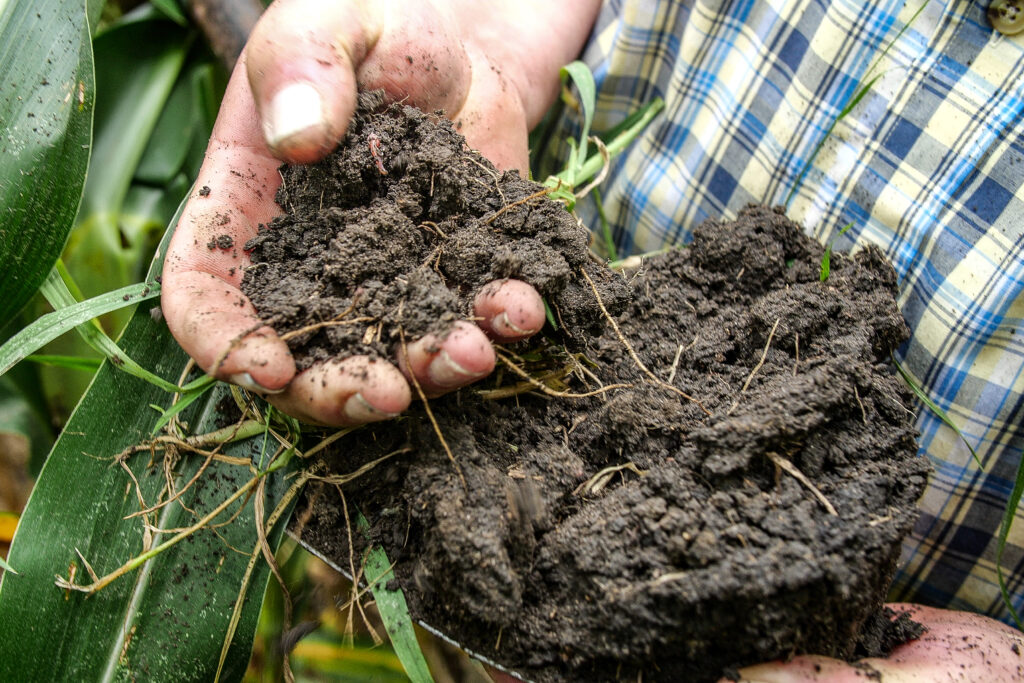
Healthy soil is one of the most valuable assets on any farm.
Instead of relying on continual external inputs, regenerative systems build fertility through:
- Compost
- Cover crops
- Crop rotation
- Managed grazing
- Mulching
- Minimal soil disturbance
Over time, healthier soil increases yields while reducing fertilizer expenses.
4. Enterprise Planning
Successful farms rarely rely on a single revenue stream.
Diversification can include:
- Vegetables
- Fruit production
- Eggs
- Livestock
- Mushrooms
- Agroforestry
- Agritourism
- Educational workshops
Diversified enterprises help stabilize income when individual markets fluctuate.
5. Financial Forecasting
An organic farming business plan should realistically estimate:
- Startup costs
- Infrastructure investments
- Equipment
- Labour
- Annual operating expenses
- Expected production
- Cash flow
- Break-even timeline
Many new farmers underestimate infrastructure costs while overestimating first-year production.
Conservative projections typically lead to stronger long-term businesses.
What Makes a Sustainable Farm Financially Successful?

Many people assume sustainable farming means accepting lower profits.
The opposite is often true.
Well-designed regenerative farms frequently reduce expenses through:
- Lower irrigation requirements
- Reduced fertilizer purchases
- Improved soil fertility
- Natural pest management
- Better water retention
- Longer-lasting infrastructure
These operational efficiencies improve margins over time while increasing environmental performance.
Instead of maximizing short-term production, regenerative farms optimize lifetime land productivity.
Sustainable Farmland Is a Long-Term Investment
Land should not simply be viewed as a production asset.
Healthy sustainable farmland becomes increasingly valuable because it supports:
- Better soil health
- Improved biodiversity
- Greater climate resilience
- Reduced maintenance costs
- Higher productivity over time
Every improvement made to ecological systems also strengthens the long-term economic value of the property.
This creates a positive feedback loop where environmental restoration directly contributes to business performance.
Organic Farming Business Plan Example: British Columbia

For those searching for an organic farming business plan in British Columbia, local conditions deserve careful consideration.
British Columbia offers diverse agricultural regions, each with unique opportunities and constraints. Climate, rainfall, soil types, elevation, water availability, and local regulations vary significantly across the province.
Rather than using a generic template, successful farm plans are tailored to the specific characteristics of the site. A regenerative design process evaluates how water, topography, access, and ecological systems interact before determining the best production strategy.
This location-specific approach helps aspiring farmers make more informed investment decisions while building resilient agricultural businesses.
Common Mistakes New Organic Farmers Make
Some of the most common planning mistakes include:
- Choosing crops before evaluating the site
- Ignoring water management
- Underestimating infrastructure costs
- Focusing only on production instead of whole-system design
- Depending on a single source of revenue
- Neglecting long-term soil health
- Treating sustainability as a marketing strategy instead of a design principle
Avoiding these mistakes can save significant time and capital.
Why Regenerative Design Creates Better Farms
At 5th World, we believe the most successful farms are designed as integrated living systems.
Instead of solving isolated problems, regenerative planning considers how water, soil, ecology, infrastructure, and economics influence one another.
This systems-thinking approach often produces farms that are:
- More resilient
- More profitable
- Easier to manage
- Better adapted to climate variability
- More valuable over time
Rather than asking how much food a property can produce today, we ask how the landscape can become healthier and more productive over the next 50 years.
That difference in perspective changes every design decision.
Frequently Asked Questions
What is an organic farming business plan?
An organic farming business plan is a strategic document that outlines how an organic farm will operate, generate revenue, manage resources, and achieve long-term financial and ecological goals.
How much money do you need to start an organic farm?
Startup costs vary depending on land, infrastructure, equipment, and production scale. A comprehensive business plan helps estimate capital requirements before making major investments.
What makes a sustainable farm different?
A sustainable farm is designed to maintain healthy soil, conserve water, support biodiversity, and remain economically viable over the long term. It focuses on building resilient systems rather than maximizing short-term output.
Why is sustainable farmland valuable?
Sustainable farmland can improve in productivity over time as soil health, water retention, and ecosystem function increase. These improvements can reduce operating costs while strengthening the long-term value of the property.
Build Your Farm on a Strong Foundation
A successful organic farm begins long before the first seed is planted. It starts with understanding the land, designing resilient systems, and creating a business plan that integrates ecology with economics.
If you’re planning a new agricultural project or evaluating a rural property, thoughtful design can help you avoid costly mistakes and unlock the full potential of your investment.
Book a Free Introductory Call with 5th World to discuss your property, your goals, and how regenerative planning can help you build a profitable, resilient farm.
Bonus resource: Try our Free Contour Map Generator to better understand your land’s water flow, topography, and development opportunities before making your next decision.