

The modern farmhouse aesthetic is everywhere—clean lines, reclaimed wood, open spaces. But most “modern farmhouse” builds stop at style. They look sustainable without meaningfully improving human and ecological well-being, self-sufficiency, and resilience.
If you’re planning a farm estate today, that gap matters. Issues such as diet related illnesses, soil erosion and biodiversity loss, rising food, water and energy prices, and climate variability are increasingly impacting people. And buyers, investors, and developers are beginning to prioritize ecological performance in real estate.
This article shows how to design a modern farmhouse that goes beyond aesthetics—one that grows its own nutrient-dense food, regenerates the soil, improves biodiversity, efficiently manages water, uses renewable energy, buffers against extreme weather events, and creates long-term land value. If you’re developing or acquiring a farm estate, this is how you future-proof it.
What Defines a Farm Estate in 2026?
A farm estate is no longer just a large rural property with a house and some fields. In 2026, it’s a multi-system asset that integrates:
- Residential living
- Regenerative food production (commercial or semi-commercial)
- Clean water and energy systems
- Ecological restoration
- Long-term land appreciation strategy
The key shift is this: A farm estate is now evaluated as a system, not just a property.
The Three Layers of a High-Performance Farm Estate
- Built environment: The modern farmhouse, outbuildings, infrastructure
- Productive landscape: Crops, orchards, grazing systems
- Ecological systems: Water cycles, soil health, biodiversity corridors
Most developments only optimize the first layer. The real value is created when all three work together.
The Modern Farmhouse: Beyond Aesthetic Minimalism
The modern farmhouse has evolved from a design trend into a functional framework for rural living.
What Most People Get Wrong
Typical builds prioritize:
- Visual appeal
- Open-concept interiors
- Rustic materials
But ignore:
- Site orientation
- Soil impact
- Water flow
- Energy systems integration
This creates homes that look right—but perform poorly over time.
What a True Modern Farmhouse Should Do
A properly designed modern farmhouse should:
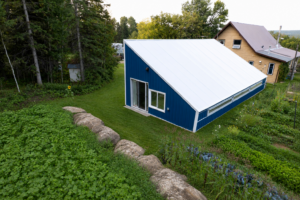
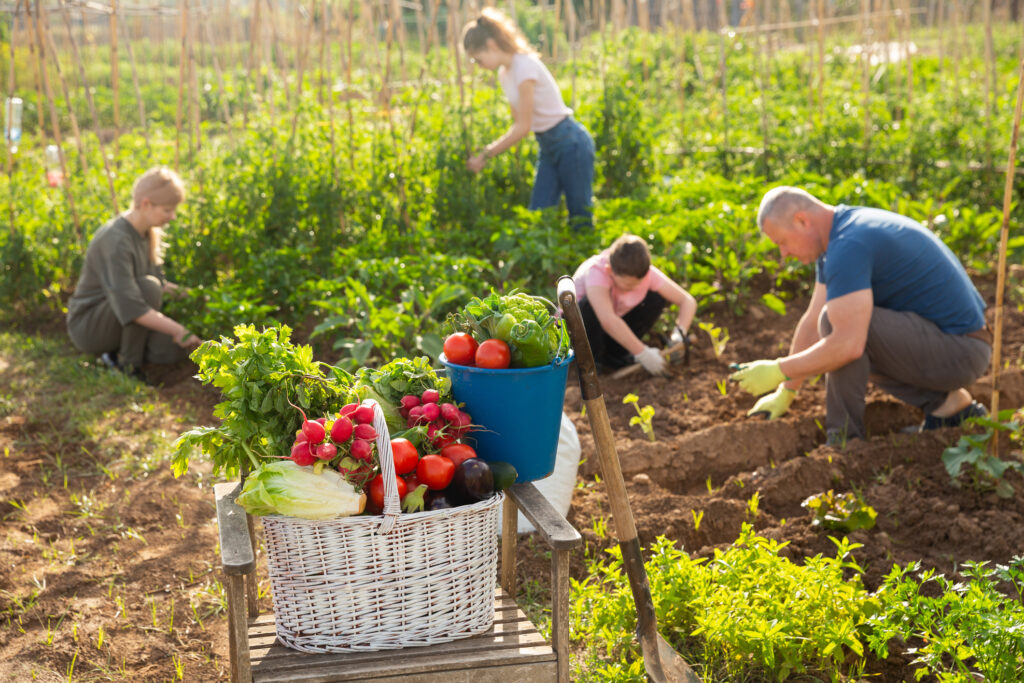
- Support food production directly with market gardens, food forests, a passive solar greenhouse
- Integrate with natural water systems (not fight them), including rainwater harvesting
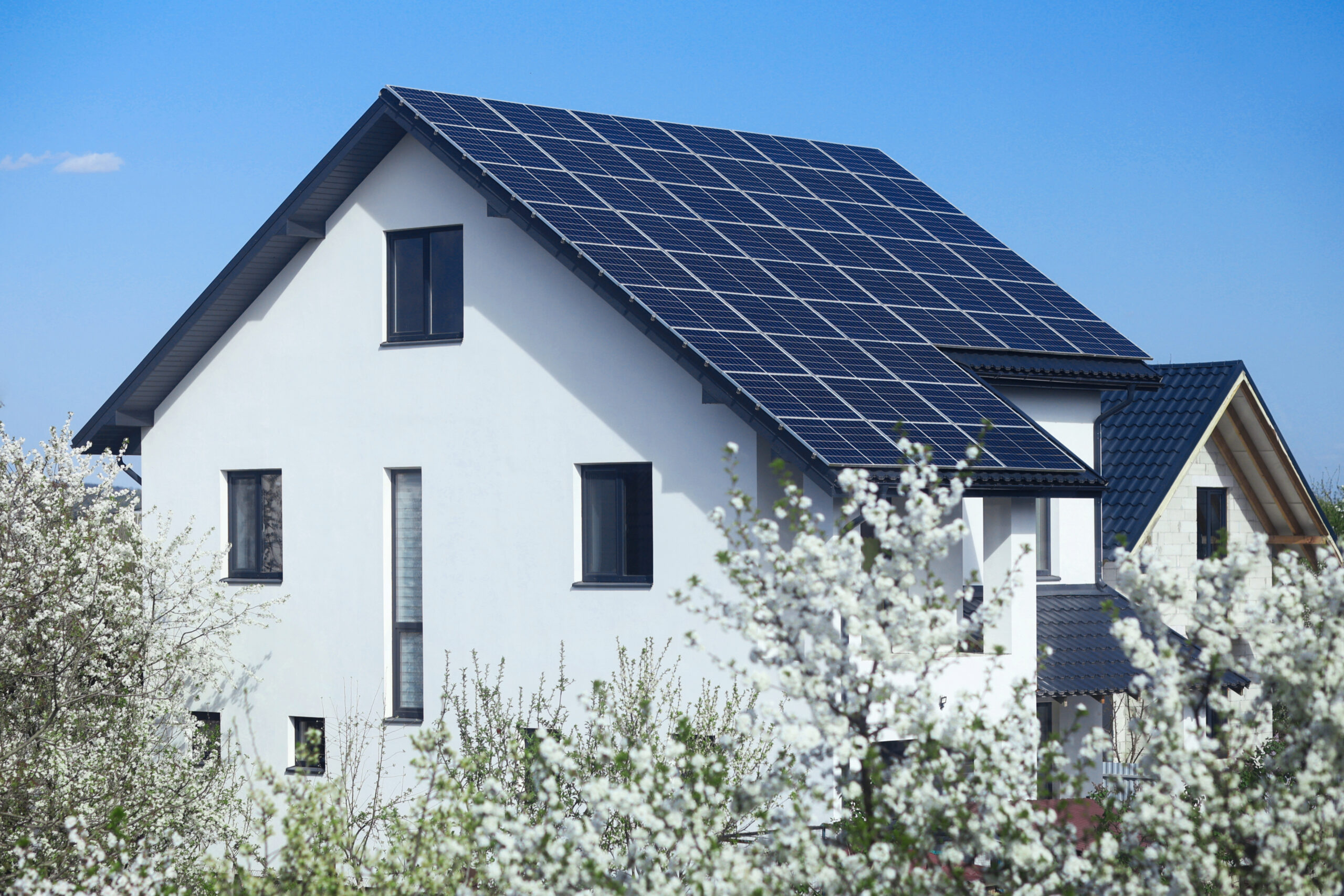
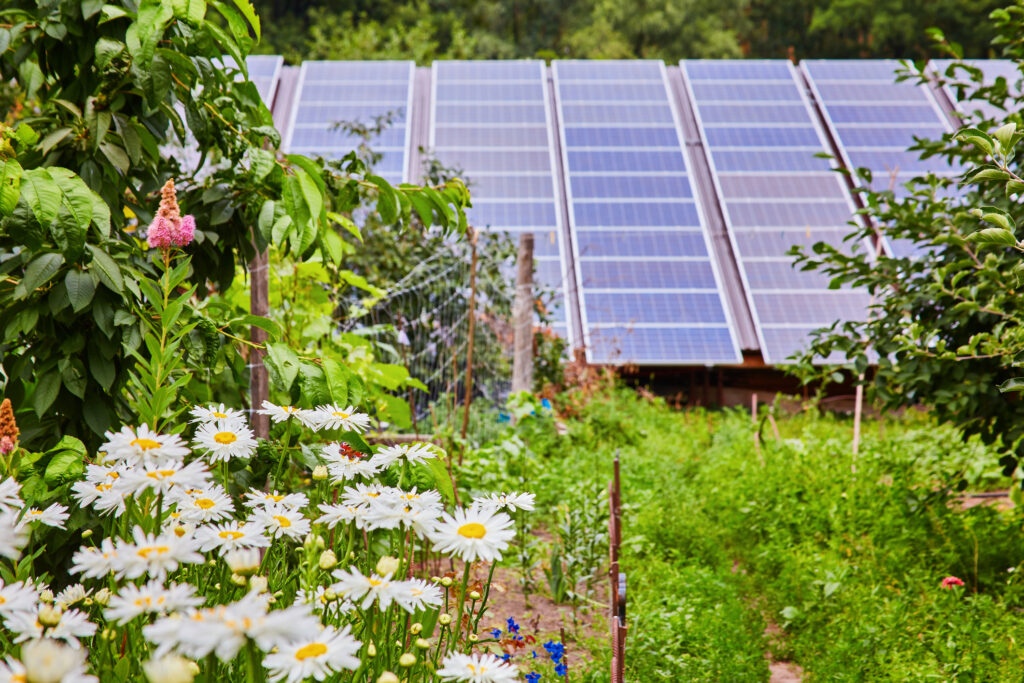
- Reduce carbon footprint through renewable energy such as solar panels
- Increase the ecological value of the land over time
This is where regenerative design shifts the conversation.
Regenerative Design Principles for a Farm Estate
1. Start with Water, Not Architecture
Most developers begin with the house. That’s backwards.
Water defines everything:
- Drainage patterns
- Soil fertility
- Crop viability
- Infrastructure placement
Practical Process:
- Conduct a contour and watershed analysis
- Identify natural water retention zones
- Design swales, ponds, and infiltration systems first
- Then position the modern farmhouse on stable, dry, and optimized ground
Impact: Proper water design can significantly increase usable land productivity.
2. Soil Is the Primary Asset
A farm estate’s long-term value is tied to soil health, not square footage.
Regenerative Soil Strategy:
- Compost systems integrated into daily living
- Rotational grazing or cover cropping
- Minimal tillage practices
- Tree-based systems (agroforestry)
Real metric to track: Organic matter increase.
This can:
- Improve water retention
- Reduce irrigation costs significantly
- Increase crop yields without synthetic inputs
3. Design the Modern Farmhouse as a System Hub
Your home shouldn’t sit on the land—it should interact with it.
Integrated Features:
- Roof water harvesting feeding irrigation systems
- Greywater recycling for landscape hydration
- Solar orientation for passive heating and cooling
- Thermal mass materials to stabilize temperature
This turns the modern farmhouse into a control center for ecological and economic performance
4. Stack Functions Across the Property
Every element on a regenerative farm estate should serve multiple purposes.
Example:
A pond can:
- Store irrigation water
- Support aquaculture
- Moderate microclimate
- Increase biodiversity
- Improve land value
Another Example:
A tree line can:
- Produce fruit or nuts
- Act as a windbreak
- Provide shade for livestock
- Improve soil structure
This is systems thinking in action—and where most competitors fall short.
Farm Estate Economics: Where Real Value Is Created
Most people evaluate a farm estate based on:
- Build cost
- Land purchase price
- Aesthetic appeal
But regenerative design shifts the economics.
1. Reduced Operating Costs
- Long-term lower energy bills (passive and solar)
- Reduced water costs (capture and reuse)
- Minimal fertilizer inputs
2. Revenue Opportunities
A well-designed farm estate can generate income through:
- Specialty crops (high-margin, low-acreage)
- Agro-tourism
- Farm-to-table experiences
- Leasing production zones
3. Land Appreciation Through Regeneration
Unlike conventional properties, regenerative estates:
- Improve soil year over year
- Increase biodiversity (a growing valuation factor)
- Become more resilient to climate volatility
Result: The land becomes more valuable because of how it’s used, not despite it.
Example: Farm Estate Development in British Columbia
Your design approach will be based on local factors. For example, if you’re planning a farm estate in British Columbia, it needs to adapt to:
- High rainfall variability
- Diverse microclimates
- Agricultural zoning regulations
Key Considerations:
- Water retention is critical—even in wet regions
- Soil restoration is often required on previously logged land
- Crop selection must match microclimate zones
A generic modern farmhouse plan won’t work here. Site-specific design is non-negotiable.
Common Mistakes in Modern Farmhouses
1. Overbuilding the House
Too much budget goes into the home, leaving:
- No funds for land systems
- Poor long-term ROI
2. Ignoring Water Flow
This leads to:
- Flooding issues
- Soil erosion
- Expensive retrofits
3. Treating Landscaping as Decoration
Instead of:
- Productive systems
- Ecological infrastructure
4. Short-Term Thinking
Design decisions made for:
- Immediate aesthetics instead of 10–20 year land performance
FAQ: Farm Estate and Modern Farmhouse Design

What size land is ideal for a farm estate?
It depends on your goals, but:
- Five to 20 acres can support a productive regenerative system
- Larger properties increase complexity, not necessarily profitability
Is a modern farmhouse more expensive to build?
Upfront, sometimes slightly higher.
Long-term, significantly cheaper due to:
- Energy savings
- Reduced maintenance
- Increased land productivity
Can a farm estate be profitable without full-time farming?
Yes. Many hybrid models exist:
- Part-time production
- Leasing land to growers
- Experience-based revenue (events, stays)
Why This Approach Wins in 2026 and Beyond
The market is shifting. Buyers, investors, and developers are becoming more sophisticated.
They’re asking:
- Does this land produce?
- Does it retain water?
- Does it protect against climate variability?
- Does it improve over time?
A modern farmhouse answers all three.
This isn’t just about sustainability—it’s about performance, resilience, and long-term value creation.
Book a Free Introductory Call
If you’re planning a farm estate or designing a modern farmhouse, the biggest risk is making early decisions that limit long-term potential.
We help you:
- Evaluate your land using systems thinking
- Design integrated food, water, energy, and built environments
- Create properties that increase in value over time
Book a free introductory call here.
Free Land Evaluation Tool
Want to understand your property’s potential before committing to a design?
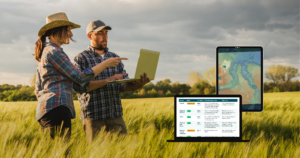
Evaluate your land with our free Contour Map Generator here.
Final Thoughts
Most farm estates are built as static properties. The best ones are designed as living systems. And that difference determines whether your land degrades or becomes more valuable every year.