


Northern Canadian communities remain heavily dependent on long-distance food supply chains, leaving them vulnerable to transportation disruptions, rising fuel costs, food spoilage, and more. While regional programs have improved access to food, they do not sufficiently address the underlying structural reliance on imported food. This white paper examines how local production and storage infrastructure can strengthen long-term food security and resilience across northern communities.
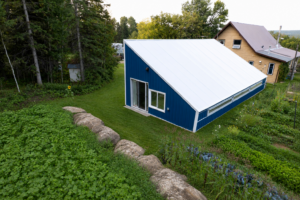
The paper presents an integrated framework that combines a seasonal solar greenhouse, outdoor market gardens, community food storage, and a small year-round winter greens facility. Built around the realities of northern climates, the model works with available solar energy, uses winter as a storage asset, captures waste heat from existing buildings, and aligns with longstanding seasonal harvest traditions. A case study from a First Nation in the Northwest Territories demonstrates how this approach can significantly reduce energy costs while creating a pathway toward long-term operational sustainability.
At its core, the framework is designed as food security infrastructure rather than a commercial venture. By producing more food locally and keeping more labour, knowledge, and spending within the community, it aims to reduce external dependencies while strengthening local economic activity. The full white paper explores the framework, financial analysis, and implementation considerations in greater detail and offers a foundation for collaboration among communities, governments, researchers, and Indigenous organizations.