

Interest in the modern homestead has grown rapidly over the past decade—and for good reason.
Rising housing costs, food insecurity, climate instability, and increasing dependence on fragile infrastructure and systems are causing many people to rethink how they live. But today’s homestead looks very different from the hobby farms of the past.
Modern homestead designs combine human and ecological well-being, as well as resource (food, water, and energy) self-sufficiency and property resilience into one integrated strategy.
At 5th World, we see the modern homestead not as a trend, but as an important shift toward regenerative living.
A well-designed modern homestead can:
- Produce nutrient-dense, healthy food
- Capture and store clean rainwater
- Run on renewable, energy efficient power sources
- Enhance food, water, and energy independence and security
- Improve local ecology (soil quality, water cycles, biodiversity, etc.)
- Increase climate resilience
- Create long-term property value
In this article, we’ll explore:
- What defines a modern homestead
- The key principles behind modern homestead designs
- Essential systems for regenerative and resilient land use
- Common mistakes in homestead planning
- How regenerative thinking improves long-term outcomes
What Is a Modern Homestead?
A modern homestead is a property intentionally designed to increase long-term well-being, self-sufficiency, and resilience while maintaining modern comfort and functionality.
Unlike traditional homesteading, which was often driven purely by necessity, modern homestead designs integrate regenerative food, water, and energy systems. They also deploy the latest science and technology, including smart home design.
A modern homestead reduces dependency on unstable external systems while creating a healthier relationship with oneself and the land.
Why Modern Homestead Designs Are Growing in Popularity

Many conventional residential developments are highly dependent on:
- Municipal infrastructure
- Long-distance food systems
- Energy-intensive construction
- Constant external inputs
- Fragile supply chains
These systems become increasingly vulnerable during:
- Economic instability
- Climate events
- Resource shortages
- Infrastructure failures
Modern homestead designs offer an alternative model.
By integrating food systems, water management, renewable energy, and ecological planning directly into the property, homesteads become more adaptable, self-sustaining, and resilient over time.
This is particularly important in regions like British Columbia, where wildfire risk, drought conditions, and rising development costs are reshaping how people think about land ownership.
The Core Principles Behind Modern Homestead Designs
1. Water Systems Come First
Every successful modern homestead begins with water planning.
Most conventional properties are designed to move water off-site as quickly as possible. Regenerative homestead design does the opposite: It slows, stores, and infiltrates water into the landscape.
This may include:
- Swales
- Rainwater harvesting
- Retention ponds
- Greywater reuse systems
- Contour-based earthworks
- Passive irrigation systems
Water management impacts nearly every other function on the property:
- Soil health
- Food production
- Fire resistance
- Biodiversity
- Drought resilience
Without proper water planning, homestead projects can become expensive and difficult to maintain.
2. Food Production Should Be Integrated Into the Landscape
One of the defining features of modern homestead designs is integrated food production.
Rather than separating living space from productive land, regenerative homesteads blend them together.
This can include:
- Kitchen gardens
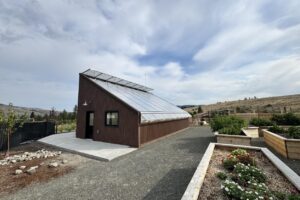
- Passive solar greenhouses
- Root cellars
- Orchards
- Agroforestry
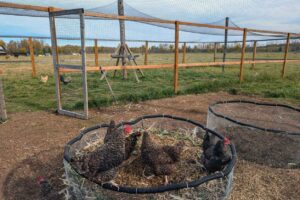
- Livestock and managed grazing
- Edible landscapes such as food forests
- Permaculture and market gardens
Modern homesteads create layered systems that increase local food resilience while improving ecosystem health.
Well-designed food systems also:
- Build soil
- Increase biodiversity
- Improve water retention
- Reduce long-term maintenance costs
3. Energy Independence Improves Long-Term Resilience
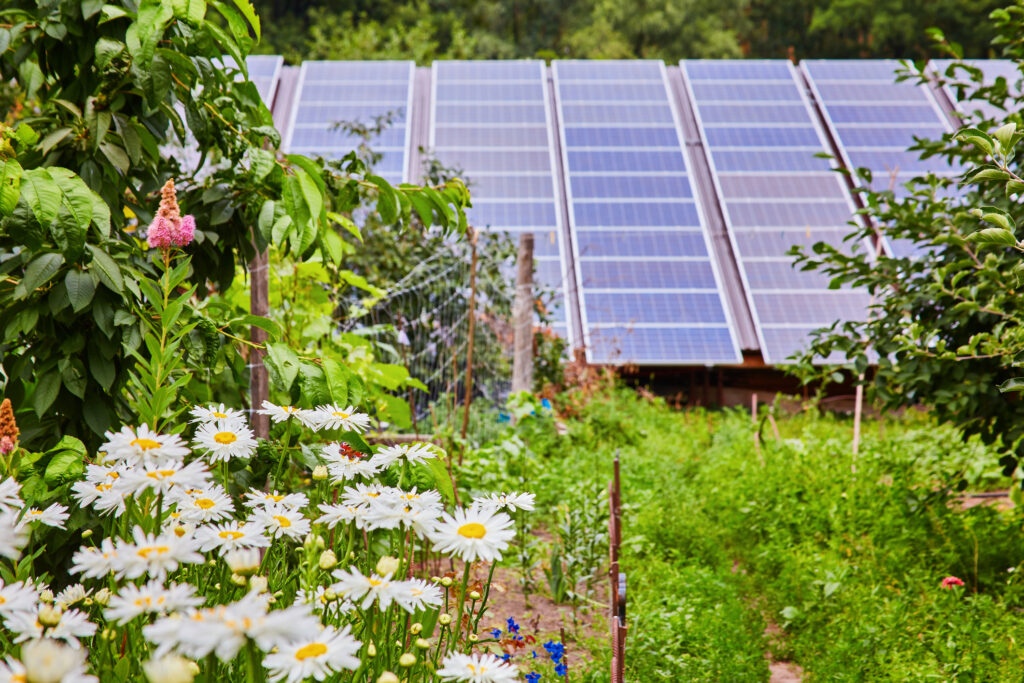
Energy resilience is another major component of the modern homestead movement.
Modern homestead designs often incorporate:
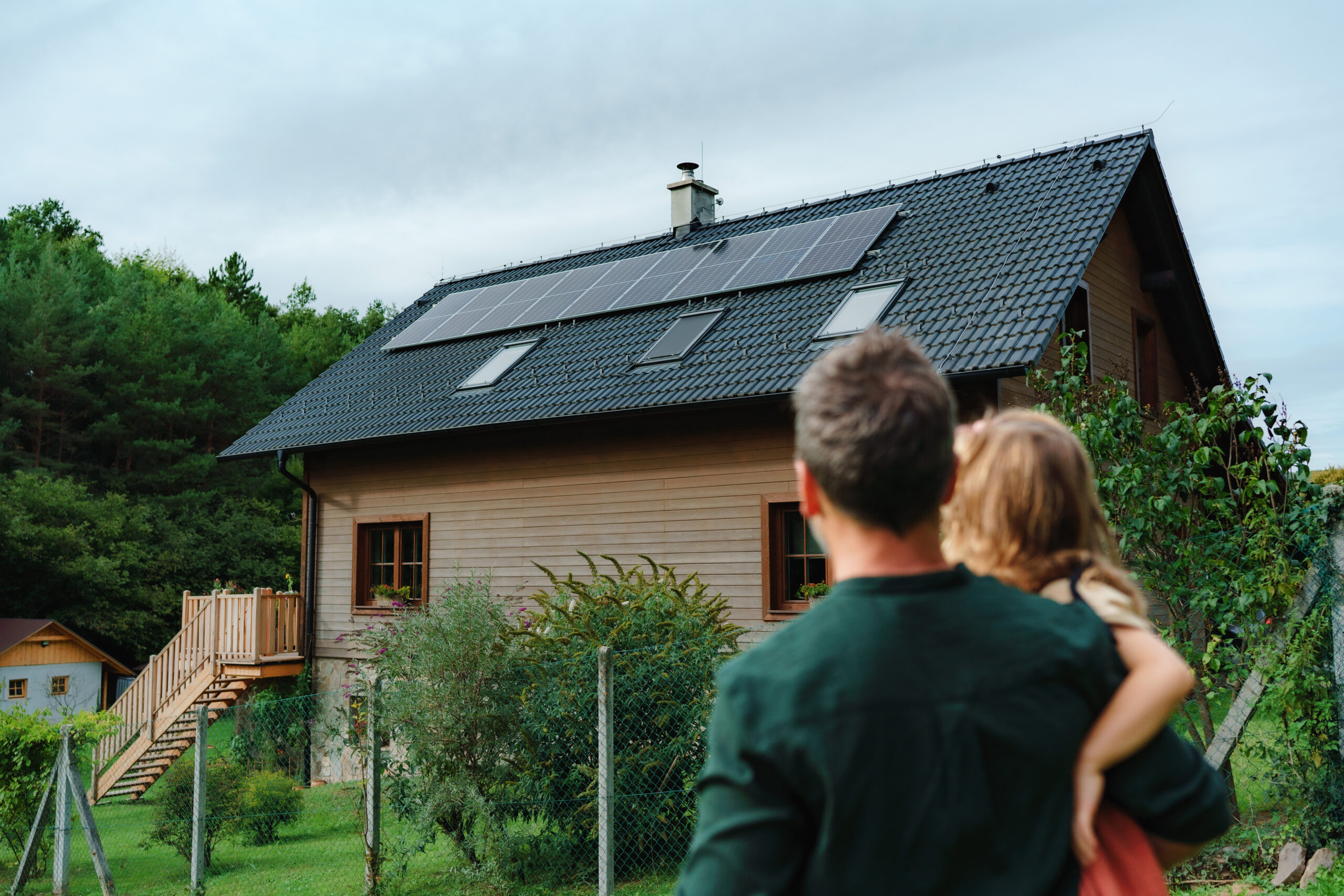
- Solar power systems
- Passive solar orientation
- Battery storage
- Efficient building envelopes
- Wood heat integration
- Natural cooling strategies
Reducing energy dependence is not only about lowering utility bills in the long-term.
It also increases:
- Operational stability
- Disaster preparedness
- Long-term affordability
- Property autonomy
Properties designed with passive heating and cooling strategies also perform more efficiently over time with fewer mechanical demands.
4. Soil Health Is a Long-Term Investment
Healthy soil is one of the most valuable assets on a homestead property.
Conventional landscaping and development practices often compact and degrade soil, reducing productivity and increasing maintenance requirements.
Regenerative homestead planning focuses on:
- Compost systems
- Mulching
- Organic matter accumulation
- Reduced soil disturbance
- Native plant integration
- Rotational grazing systems
Over time, healthy soil becomes:
- More drought resistant
- More productive
- More biologically active
- Better at storing water and carbon
A regenerative homestead is designed to improve soil quality year after year.
5. Infrastructure Should Work With Natural Systems
Many poorly planned homesteads struggle because infrastructure placement ignores the natural patterns of the land.
Roads, structures, drainage systems, and utilities should align with:
- Terrain
- Hydrology
- Wind exposure
- Solar orientation
- Existing ecosystems
Modern homestead designs prioritize working with the landscape instead of forcing the landscape to adapt to the infrastructure.
This reduces:
- Erosion
- Water issues
- Energy demands
- Long-term maintenance costs
It also creates more functional and resilient properties overall.
Common Mistakes in Modern Homestead Planning
1. Overbuilding Too Early
One of the most common mistakes is building infrastructure before fully understanding the land.
Successful homestead planning starts with observation:
- Water flow
- Soil conditions
- Seasonal changes
- Sun exposure
- Wind patterns
- Existing vegetation
Good design decisions come from understanding these systems first.
2. Ignoring Water Flow

Water problems are one of the biggest long-term costs on rural properties.
Poor drainage planning can create:
- Flooding
- Erosion
- Foundation damage
- Crop failure
- Fire vulnerability
Water should be one of the first systems analyzed during the planning phase.
3. Focusing Only on Aesthetics
Many modern homestead designs prioritize appearance without considering long-term functionality.
A regenerative homestead should balance:
- Beauty
- Productivity
- Ecology
- Durability
- Maintenance requirements
The best properties are visually compelling because they function well ecologically.
The Difference Between Sustainable and Regenerative Homesteads
Many modern homestead projects focus on sustainability:
- Energy efficiency
- Lower consumption
- Reduced waste
These are valuable goals, but regenerative homesteads go further.
Regenerative systems aim to actively improve the property over time by:
- Building soil
- Increasing biodiversity
- Restoring hydrology
- Expanding ecosystem function
- Improving long-term land productivity
The property becomes healthier and more resilient year after year rather than simply maintaining the status quo.
Why Modern Homestead Designs Matter for the Future
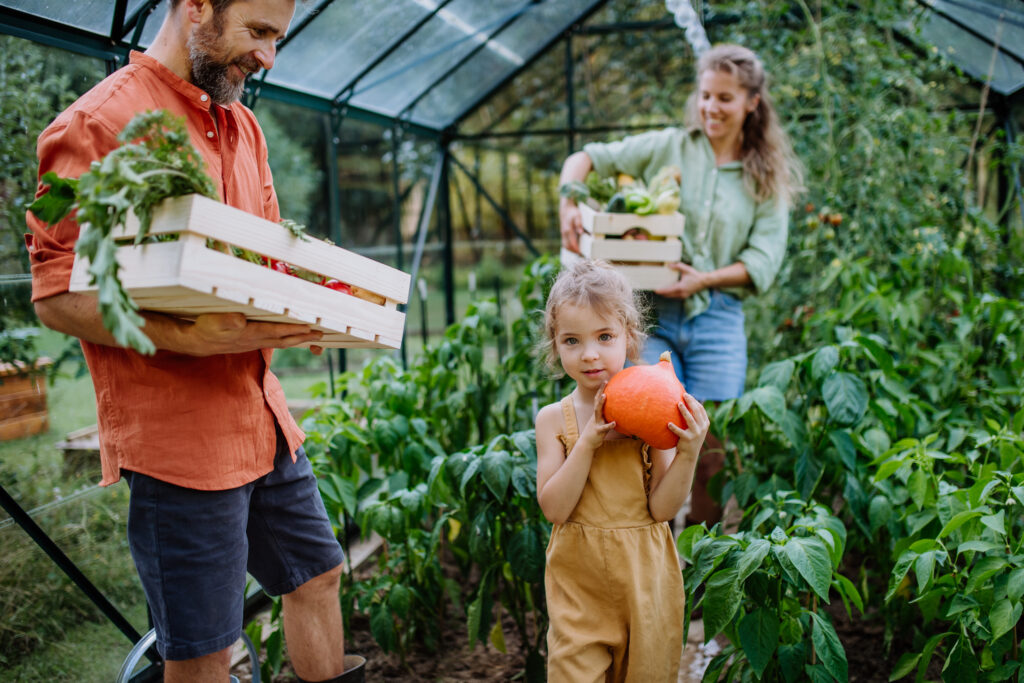
As environmental and economic pressures increase, regenerative and resilient land systems will become more valuable.
Modern homesteads provide a higher quality of life, while also ensuring this persists into the future for generations to come.
They provide wellness through nutrient-dense food and clean water and energy, as well as offer self-sufficient supplies of essential resources and resilience to shocks such as extreme weather events, supply chain disruptions, price surges, etc.
They also reconnect people with the living world: Animals, plants, trees, and more.
This shift represents more than a housing trend.
It reflects a growing appetite for a lifestyle that’s aligned with nature, and ourselves.
Designing a Modern Homestead With 5th World
At 5th World, we help landowners create modern homestead designs that integrate food, water, and energy systems.
Our approach combines systems thinking with practical land-use planning to create properties that support well-being, self-sufficiency, and resilience.
Whether you are developing raw land, redesigning an existing property, or planning a long-term family homestead, regenerative planning creates stronger outcomes.
Book a Free Introductory Call
Interested in building a modern homestead?
Contact 5th World to schedule a free introductory consultation and discuss your property, goals, and vision.
Free Resource: Evaluate Your Land With Our Contour Map Generator
Understanding terrain and water flow is one of the first steps in regenerative homestead planning.
Use our free Contour Map Generator to begin analyzing your land’s natural systems and development opportunities.
Frequently Asked Questions
What is a modern homestead?
A modern homestead is a property designed to improve human health, self-reliance, ecological performance, and resilience through integrated systems like food production, water management, renewable energy, and regenerative land planning.
What are the key features of modern homestead designs?
Common features include:
- Food gardens
- Water harvesting systems
- Solar energy
- Passive design
- Soil regeneration
- Agroforestry
- Ecological landscaping
- Resilient infrastructure planning
Are modern homesteads fully off-grid?
Not always. Many modern homesteads remain connected to utilities while reducing dependency through integrated regenerative systems.
How much land do you need for a modern homestead?
Modern homesteads can exist on a wide range of property sizes. The effectiveness of the design depends more on systems integration than total acreage.What is the difference between sustainable and regenerative homestead design?
Sustainable design focuses on reducing environmental harm. Regenerative design aims to actively improve ecosystem health and long-term land function over time.