

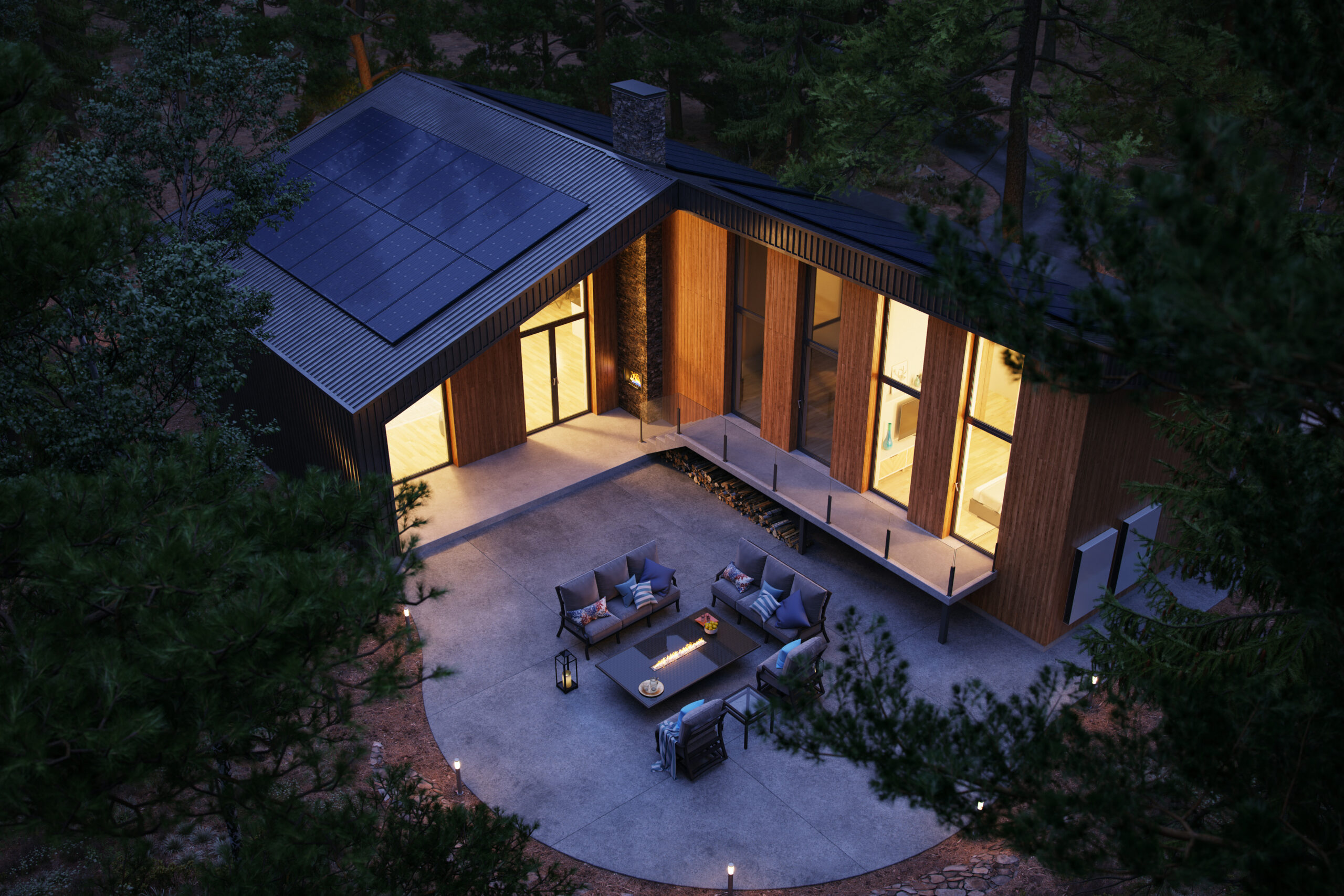
For decades, off grid homes have been associated with remote cabins, solar panels, and a desire for independence. Today, that vision has evolved into something far more sophisticated.
Modern off the grid homes aren’t simply disconnected from utilities—they’re designed as complete living systems that regenerate the land they occupy while creating long-term economic value.
At 5th World, we believe such properties aren’t built by adding sustainable technologies to conventional homes. They are created by designing food, water and energy production, biodiversity, and human habitation as one interconnected system from the very beginning.
Whether you’re planning a rural retreat in British Columbia, developing agricultural land in Alberta, or investing in regenerative real estate elsewhere in North America, understanding this systems-based approach can dramatically improve your property’s performance and long-term value.
In this guide, we’ll explore what makes modern off grid homes successful—and why regenerative design is changing how people think about land development.
What Are Off Grid Homes?
Traditional off grid homes operate independently from municipal infrastructure.
Instead of relying on centralized utilities, they typically generate or manage:
- Solar electricity
- Battery storage
- Rainwater harvesting
- Water treatment
- Septic or ecological wastewater systems
- Heating systems
- Food production
While these technologies are important, they only address individual challenges.
A regenerative property asks a different question:
How do all these systems work together to strengthen one another?
That distinction changes everything.
Rather than treating energy, water, landscape, agriculture, and buildings as separate design disciplines, regenerative planning integrates them into one resilient ecosystem.
Why Most Off the Grid Homes Miss the Bigger Opportunity
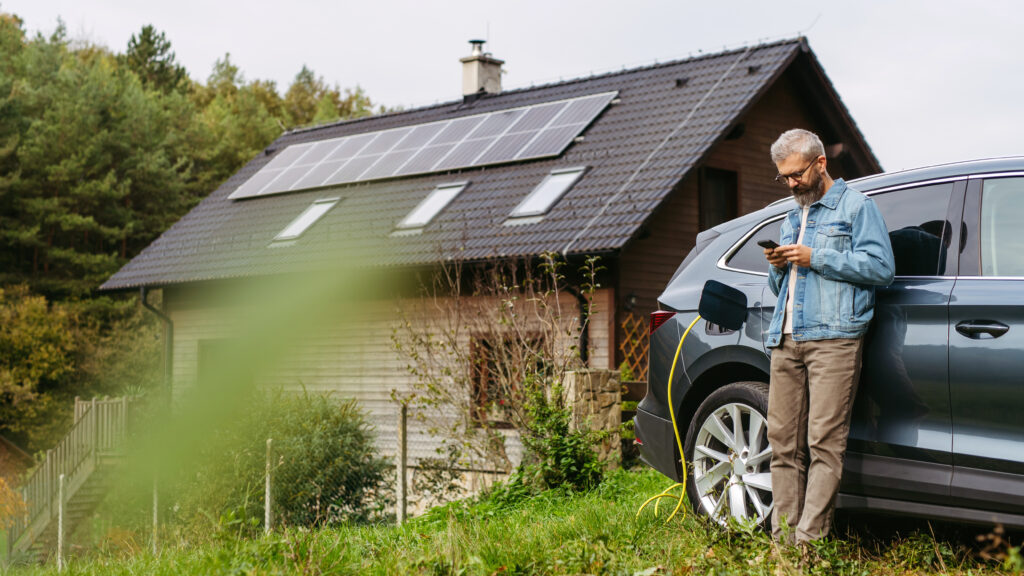
Many off-grid projects focus almost entirely on technology.
Typical priorities include:
- Larger solar arrays
- Bigger batteries
- Backup generators
- Water tanks
- Smart home automation
While useful, these upgrades often overlook the land itself.
The landscape determines:
- Water availability
- Soil fertility
- Flood resilience
- Fire resilience
- Biodiversity
- Agricultural productivity
- Microclimate
- Long-term maintenance costs
If these natural systems are ignored, homeowners compensate with expensive infrastructure.
Instead of working with the landscape, they’re constantly working against it.
At 5th World, our philosophy is simple:
Healthy ecosystems reduce infrastructure costs.
Systems Thinking: The Foundation of Regenerative Property Design
Regenerative design begins by understanding relationships rather than isolated components.
Water Shapes Everything
Instead of directing rainfall away from a property, regenerative planning captures, slows, infiltrates, and stores it.
Proper water design can:
- Reduce erosion
- Recharge groundwater
- Improve soil moisture
- Support forests
- Increase agricultural productivity
- Reduce irrigation needs
Every drop of rain becomes an investment in the landscape.
Healthy Soil Stores Wealth
Soil isn’t simply dirt.
Healthy soil stores:
- Water
- Carbon
- Nutrients
- Microbial life
Improving soil quality increases productivity while reducing ongoing maintenance costs.
Over decades, this creates measurable economic value.
Buildings Should Support the Landscape
Instead of placing a house wherever construction is easiest, regenerative planning evaluates:
- Sun exposure
- Prevailing winds
- Water flow
- Existing vegetation
- Future food production
- Wildlife corridors
The result is a property that performs better with fewer inputs.
Why Off Grid Homes Are Becoming More Valuable
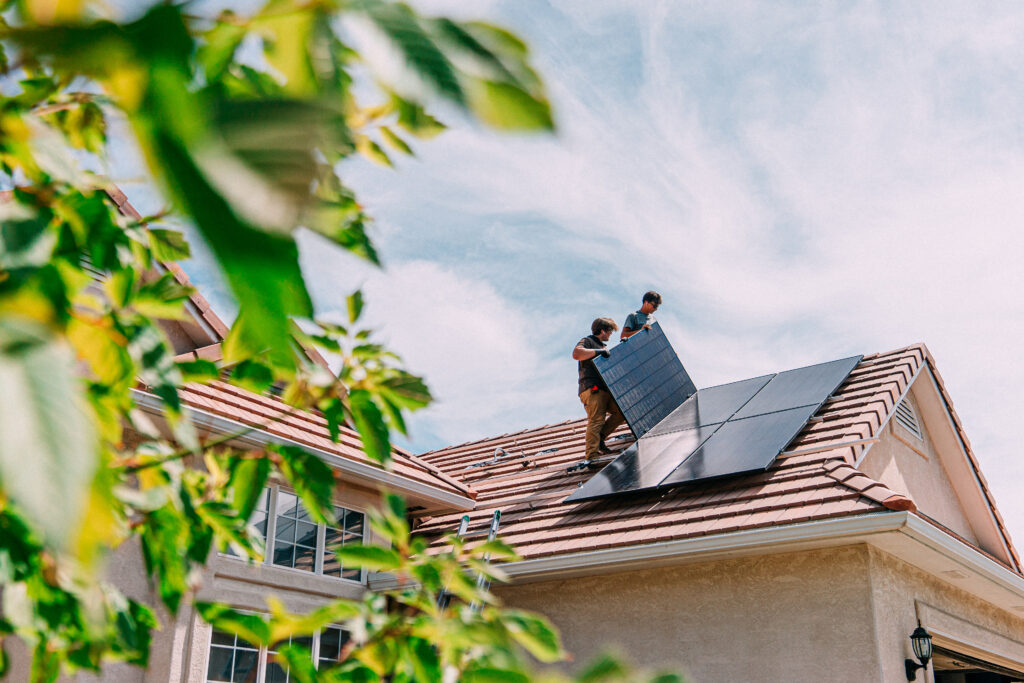
Climate uncertainty, rising utility costs, and changing buyer preferences are increasing demand for resilient properties.
Modern buyers increasingly value:
- Energy independence
- Water security
- Food production
- Ecological stewardship
- Lower operating costs
- Long-term resilience
Properties designed around regenerative principles often provide benefits that conventional developments cannot easily replicate.
Rather than simply reducing environmental impact, they actively improve ecosystem health while creating stronger long-term investment potential.
Designing Off Grid Homes in British Columbia
British Columbia presents unique opportunities—and challenges—for regenerative development.
Regional considerations include:
- Seasonal rainfall patterns
- Mountain watersheds
- Wildfire risk
- Steep terrain
- Forest management
- Agricultural zoning
- Local building regulations
Design solutions that work in dry interior regions may not be appropriate for Vancouver Island or the Fraser Valley.
Every successful project begins with understanding the landscape before designing the buildings.
This site-first philosophy often leads to more resilient outcomes and significantly lower lifetime operating costs.
Real Processes Create Better Results

One of the biggest differences between conventional development and regenerative planning is process.
Many developments follow this sequence:
- Purchase land
- Design the house
- Add utilities
- Landscape afterward
Regenerative design reverses that order.
Instead, we typically begin by understanding:
1. Site Assessment
We evaluate:
- Topography
- Hydrology
- Existing vegetation
- Soil conditions
- Climate
- Wildlife patterns
2. Water Strategy
Water is mapped before infrastructure.
This informs:
- Roads
- Buildings
- Agriculture
- Forest management
- Water storage
- Drainage
3. Ecological Design
Rather than preserving isolated natural areas, we strengthen ecological relationships across the property.
This improves biodiversity while reducing long-term maintenance.
4. Built Environment
Only after understanding the landscape do buildings become part of the design.
Homes become one component of a functioning ecosystem—not the centre of it.
The Economics of Regenerative Off the Grid Homes
Sustainability discussions often focus exclusively on environmental benefits.
We believe economics matter equally.
Well-designed regenerative properties may deliver value over time through:
- Reduced utility expenses
- Lower irrigation costs
- Improved agricultural productivity
- Increased property resilience
- Reduced stormwater management costs
- Enhanced long-term land value
While every project differs, integrated planning often reduces costly redesigns later in development.
Thinking holistically from day one can prevent expensive mistakes that are difficult—or impossible—to correct after construction begins.
Challenging Conventional Development
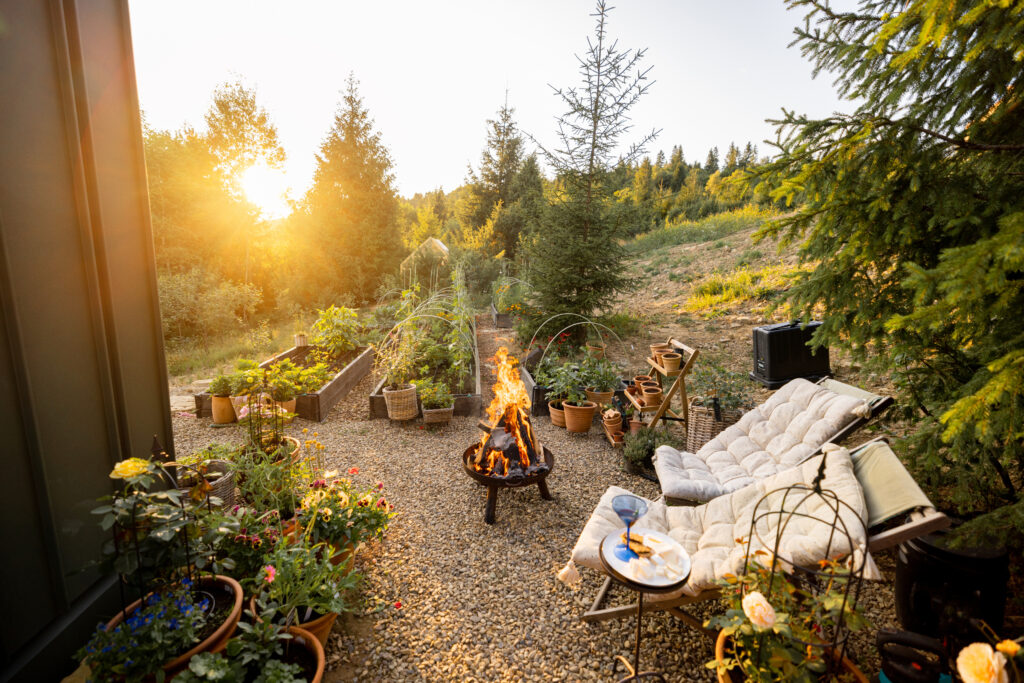
Traditional development often assumes nature is something to manage.
Regenerative development assumes nature is your greatest asset.
That philosophical difference influences every design decision.
Instead of asking:
“How do we build on this land?”
We ask:
“How can this land become healthier because we built here?”
This perspective creates properties that continue improving over time rather than slowly degrading.
Is an Off Grid Home Right for You?
Off grid homes aren’t only for remote wilderness settings.
Many landowners choose regenerative design because they want greater resilience, lower operating costs, stronger ecological performance, and a deeper connection to the landscapes they steward.
You may benefit from this approach if you’re planning to:
- Develop rural acreage
- Build a homestead
- Create a regenerative farm
- Invest in recreational land
- Design an eco-retreat
- Improve an existing property
The earlier these systems are integrated into the planning process, the greater the long-term benefits.
Frequently Asked Questions

What is the difference between off grid homes and off the grid homes?
There is no practical difference. Both phrases describe homes that operate independently from municipal utilities. “Off grid homes” is the more commonly searched keyword, while “off the grid homes” is a natural language variation.
Are off grid homes legal in British Columbia?
Yes, but requirements depend on municipal regulations, regional districts, building codes, environmental regulations, and utility policies. Every property should be evaluated individually before development begins.
How much does it cost to build an off grid home?
Costs vary significantly depending on location, access, energy systems, water infrastructure, building size, and land conditions. The biggest savings often come from thoughtful site planning before construction begins.
Can regenerative design increase property value?
Properties designed with integrated ecological systems may offer long-term advantages through resilience, lower operating costs, improved land productivity, and stronger environmental performance. Market value depends on many factors, but resilient properties are attracting increasing buyer interest.
Why 5th World Takes a Different Approach
At 5th World, we don’t see sustainability as a checklist.
We see land as a living system.
Every property has unique ecological opportunities that conventional planning often overlooks.
Our approach combines:
- Land analysis
- Regenerative food, water, and energy systems
- Ecological restoration
- Long-term land stewardship
- Integrated infrastructure planning
- Economic resilience
The result isn’t simply an off-grid home.
It’s a property designed to become healthier, more productive, and more valuable over time.
Book a Free Introductory Call
Whether you’re evaluating rural land, planning an off-grid residence, or exploring regenerative development opportunities, we’re happy to discuss your goals.
Book a Free Introductory Call with the 5th World team to explore what’s possible for your property.
Free Resource
Evaluate Your Land with Our Free Contour Map Generator.
Discover how water flows across your property and identify opportunities for regenerative design before construction begins.