

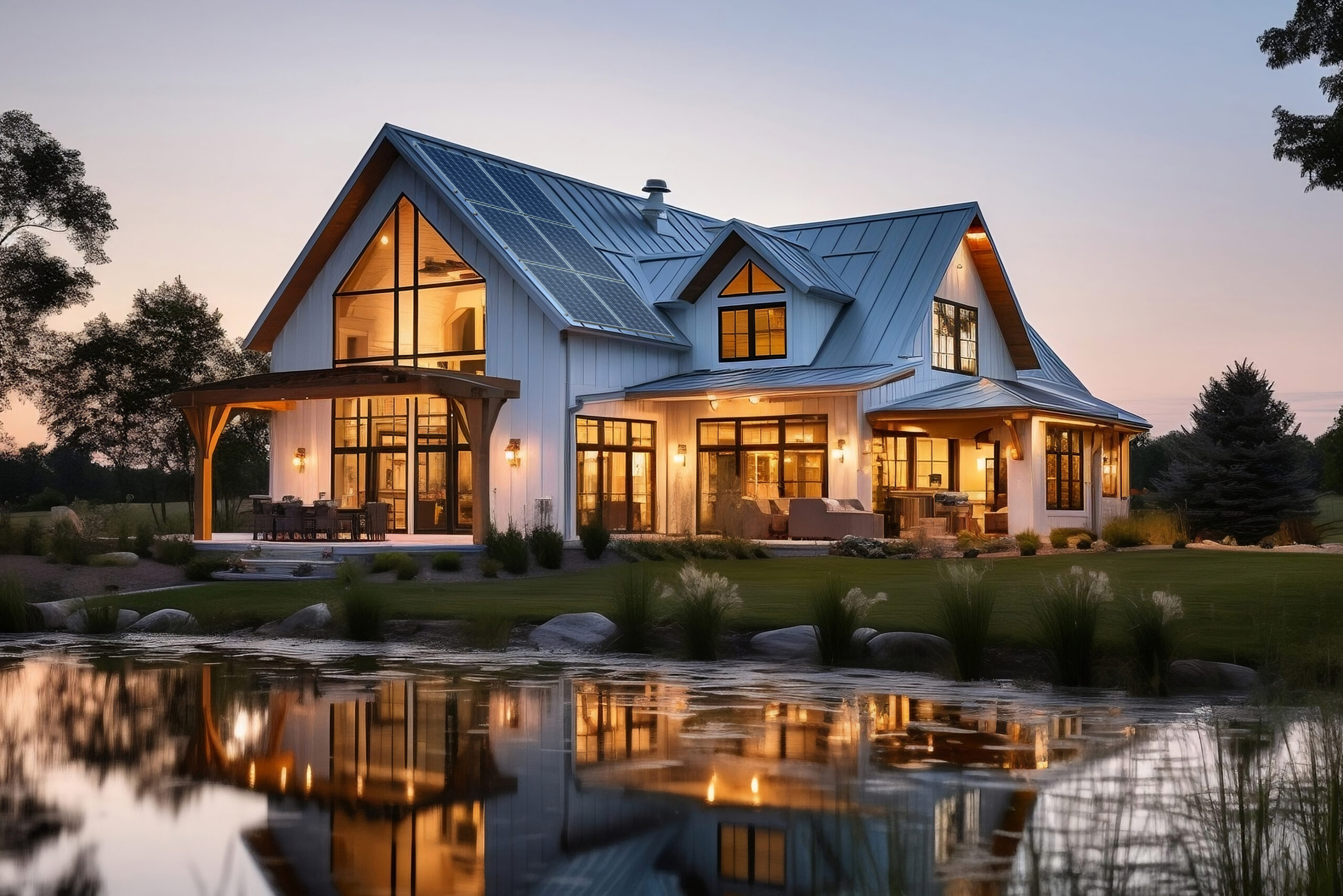
As energy prices rise, water security becomes increasingly uncertain, and food systems grow more vulnerable, many landowners are searching for net zero home design plans that offer more than energy efficiency.
A “net zero home” is a house designed to produce as much energy annually as it consumes. Through a combination of high-performance building design, energy-efficient systems, and renewable energy generation, net zero homes can dramatically reduce dependence on external utilities while lowering long-term operating costs.
The problem is that most net zero home designs focus almost exclusively on energy. While reducing utility bills is important, true resilience requires a broader approach—one that integrates food production, water management, ecological restoration, and renewable energy into a single living system.
At 5th World, we believe a home should function as part of a regenerative landscape. Rather than simply minimizing environmental impact, regenerative design actively improves the land while creating long-term value for property owners.
In this guide, we’ll explore how net zero home design plans can become the foundation for regenerative homesteads.
What Are Net Zero Home Design Plans?
A net zero home is designed to produce as much energy annually as it consumes.
Traditionally, net zero home design plans focus on reducing energy demand through:
- High-performance building envelopes
- Passive solar design
- Superior insulation
- Energy-efficient appliances
- Renewable energy generation
- Reduced heating and cooling requirements
These strategies are essential, but they represent only one piece of a truly resilient property.
Many conventional sustainable developments focus primarily on minimizing environmental impact through lower energy use, reduced emissions, efficient fixtures, and green building certifications. While these approaches can improve performance, they often overlook the broader opportunities available when a property is designed as an integrated living system.
A regenerative approach expands net zero home design beyond energy efficiency to include:
- Food self-reliance
- Water independence
- Soil regeneration
- Ecological restoration
- Waste cycling
- Long-term land stewardship
Rather than asking, “How do we do less damage?”, regenerative design asks, “How do we create more value for both people and ecosystems?”
A regenerative net zero home is not simply a building that offsets its energy consumption. It is a property designed to produce food, harvest and store water, build soil fertility, support biodiversity, increase land productivity, and generate long-term economic value. Instead of designing a house first and fitting systems around it later, regenerative planning begins by understanding the entire landscape—its water flows, ecology, topography, climate, and productive potential—as an interconnected system.
This shift is especially important for homesteads, farms, rural acreages, and multi-generational properties where the land itself can become one of the owner’s most valuable and productive assets.
The Four Foundations of Regenerative Net Zero Home Design
1. Energy Systems That Generate More Than They Consume
Energy independence remains a core pillar of net zero design.
A regenerative energy system typically includes:
Passive Solar Building Design
Building orientation can reduce energy demand dramatically before solar panels are even considered.
Key strategies include:
- South-facing glazing
- Thermal mass
- Seasonal shading
- Natural ventilation
- Compact building forms
When properly implemented, passive solar design can significantly reduce heating and cooling requirements.
Renewable Energy Generation
Depending on site conditions:
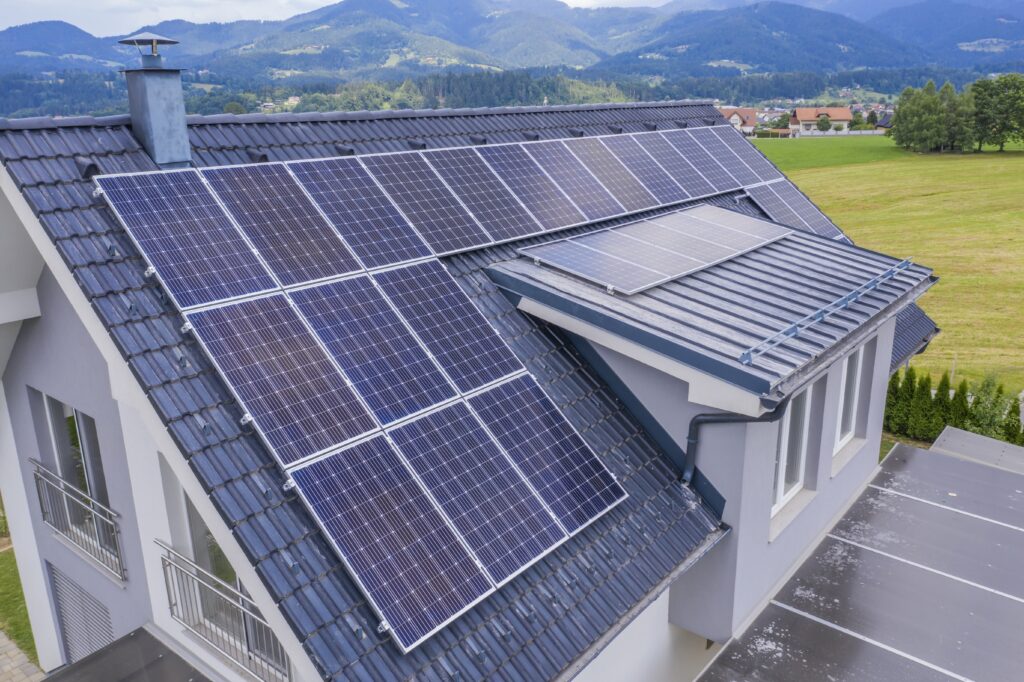
- Solar photovoltaic systems
- Battery storage
- Micro-hydro systems
- Small-scale wind generation
The goal is not simply offsetting consumption but creating resilient energy infrastructure capable of supporting future needs.
Energy Demand Reduction
Efficient systems often provide the highest return on investment.
Examples include:
- Heat pumps
- Energy recovery ventilation
- High-performance windows
- Smart energy management systems
A well-designed home may require 50–80% less energy than a conventional structure before renewable generation is added.
2. Water Systems That Capture, Store, and Reuse Resources
Water is often the most overlooked element of homestead design. Many properties rely entirely on municipal infrastructure or groundwater extraction without considering landscape hydrology. Regenerative water design focuses on slowing, spreading, and storing water.
Rainwater Harvesting
Roof surfaces can become significant water collection assets.
Benefits include:
- Reduced municipal demand
- Emergency water reserves
- Irrigation supply
- Increased resilience during drought
Landscape Water Management
Techniques may include:
- Swales
- Keyline design
- Contour-based earthworks
- Infiltration basins
- Constructed wetlands
These systems help recharge soils and groundwater while reducing erosion.
Greywater Reuse
Water from sinks, showers, and laundry systems can often be redirected toward landscape productivity. Properly designed greywater systems can significantly reduce total household water demand.
3. Food Production Integrated Into Property Design

One of the largest gaps in conventional net zero planning is food. Most homes remain entirely dependent on external supply chains. A regenerative homestead integrates food systems directly into site planning.
Edible Landscape Design
Rather than separating ornamental and productive spaces, regenerative landscapes combine both.
Examples include:
- Fruit trees
- Berry shrubs
- Perennial vegetables
- Culinary herbs
- Pollinator habitat
These systems often become more productive over time.
Food Forests
Food forests mimic natural ecosystem structure while producing food.
Layers may include:
- Canopy trees
- Understory trees
- Shrubs
- Groundcovers
- Climbers
- Root crops
Properly established food forests can produce food with relatively low maintenance requirements.
Intensive Kitchen Gardens
Near the home, high-production garden areas provide:
- Fresh vegetables
- Seasonal herbs
- Daily harvest access
The closer food systems are to the house, the more likely they are to be used and maintained.
4. Soil and Ecology as Infrastructure
Conventional development often treats soil as something to build on. Regenerative design treats soil as critical infrastructure.
Healthy soil influences:
- Water retention
- Food production
- Carbon storage
- Biodiversity
- Landscape resilience
Strategies may include:
- Compost systems
- Mulching
- Managed grazing
- Cover cropping
- Native habitat restoration
Improving soil quality often produces cascading benefits across the entire property.
Designing the Property Before Designing the House
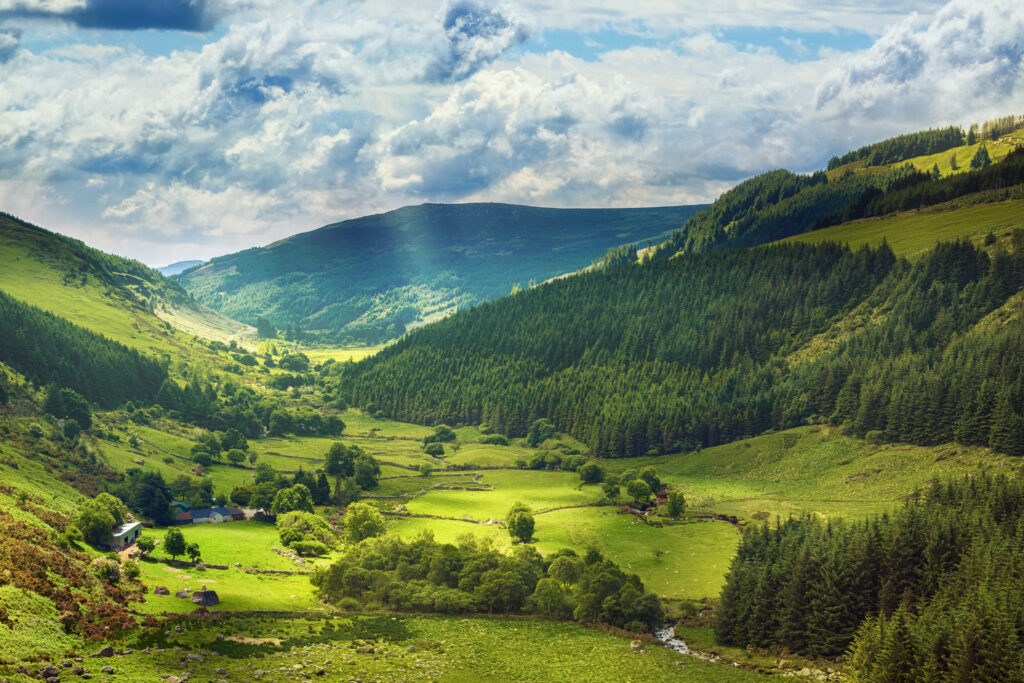
One of the most common mistakes in homestead development is designing the building first. A regenerative planning process reverses this sequence.
Instead, site analysis identifies:
Climate
Understanding:
- Solar exposure
- Wind patterns
- Seasonal temperatures
- Frost zones
These factors influence both building performance and agricultural productivity.
Water Movement
Water shapes nearly every ecological process on a property.
Mapping includes:
- Watersheds
- Drainage patterns
- Existing water features
- Soil infiltration rates
Topography
Elevation changes affect:
- Water flow
- Access
- Building placement
- Agricultural zones
Existing Ecology
Understanding current ecosystem conditions reveals opportunities for restoration and productivity. This systems-based approach often uncovers opportunities that would otherwise be missed.
Economic Benefits of Regenerative Net Zero Home Design
Many people assume regenerative systems are primarily environmental investments. In reality, they can generate substantial economic value.
Potential benefits include:
Lower Operating Costs
Reduced expenditures for:
- Electricity
- Heating
- Cooling
- Water
- Food
Increased Property Value
Properties with integrated renewable systems and productive landscapes may command premium valuations.
Risk Reduction
Diversified systems provide resilience against:
- Utility price increases
- Supply chain disruptions
- Water shortages
- Climate volatility
Long-Term Productivity
Unlike conventional landscaping, regenerative systems often become more valuable over time. Fruit trees mature. Soils improve. Water systems stabilize. Ecosystems become increasingly productive.
Net Zero Home Design Plans in British Columbia and Western Canada

Interest in regenerative property development is growing rapidly across British Columbia and Western Canada.
Landowners are increasingly searching for solutions that combine:
- Net zero energy design
- Water resilience
- Regenerative agriculture
- Ecological restoration
- Rural property development
In regions experiencing drought pressure, wildfire risk, and increasing energy costs, integrated design approaches can offer significant long-term advantages.
Whether developing a small acreage, rural homestead, farm, or multi-generational property, designing food, water, and energy systems together generally produces better outcomes than addressing them separately.
Common Mistakes to Avoid
Installing Technology Before Completing Site Analysis
Solar panels cannot compensate for poor building orientation. Likewise, irrigation systems cannot solve fundamental water management issues. Design should always precede technology selection.
Ignoring Water
Water often determines long-term success more than any other factor. A property’s hydrology should be understood before infrastructure decisions are made.
Treating Food Systems as an Afterthought
Food production should be integrated into master planning from the beginning. Retrofitting productive systems later is usually more expensive and less effective.
Focusing Only on Energy
Energy independence is important. But resilience emerges from the interaction of food, water, ecology, and energy systems together.
The Future of Homestead Design Is Regenerative
The next generation of net zero homes will do more than reduce consumption.
They will:
- Produce food
- Harvest water
- Generate renewable energy
- Improve soil health
- Support biodiversity
- Increase land value
Rather than viewing homes as isolated structures, regenerative design recognizes them as components within larger living systems. This approach creates properties that are not only more sustainable but also more productive, resilient, and economically viable over the long term.
Frequently Asked Questions
What is the difference between a net zero home and a regenerative home?
A net zero home balances annual energy production and consumption. A regenerative home goes further by integrating food production, water management, ecological restoration, and soil improvement alongside energy systems.
Are net zero home design plans suitable for rural homesteads?
Yes. Rural properties often provide greater opportunities for renewable energy generation, rainwater harvesting, food production, and ecological restoration than urban sites.
How much land is required for a regenerative homestead?
The answer depends on goals and management intensity. Productive regenerative systems can be implemented on properties ranging from less than one acre to hundreds of acres.
Can regenerative systems increase property value?
Many regenerative features—including renewable energy infrastructure, water systems, mature food forests, and productive landscapes—can contribute to long-term property value and resilience.
What should be planned first on a regenerative property?
Water systems are often the highest priority. Understanding water movement across the landscape informs building placement, agricultural design, infrastructure development, and ecological restoration.
Book a Free Introductory Call
Thinking about building a net zero home or developing a regenerative homestead?
5th World helps landowners design integrated food, water, energy, and ecological systems that create long-term resilience and value.
Book a free introductory call to discuss your property, goals, and opportunities for regenerative development.
Free Resource
Not ready for a consultation? Try our free Contour Map Generator to better understand your property’s topography, water flow patterns, and regenerative design opportunities.